
Your truck starts fine. The engine runs. You fill up, drive and enjoy consistent engine performance. If everything seems fine now, why add anything to the tank?
Rather than creating immediate problems, skipping fuel additives means effects accumulate slowly, over thousands of miles, in ways you won’t notice until the damage is already done. By the time symptoms show up, you’re looking at repair bills instead of preventive maintenance.
Let’s walk through exactly what’s happening inside your fuel system if you don’t use fuel additives — and what it costs when it catches up to you.
Your Engine Doesn’t Fail Immediately — It Degrades Gradually
The damage isn’t dramatic. There’s no warning light that says “injector deposits building” or alarm when your fuel pump starts wearing faster than it should. The decline is gradual, which is what makes it expensive to fix.
Modern diesel engines operate under extreme conditions. Fuel injectors fire at pressures up to 30,000 PSI, and fuel pumps rely on the diesel itself for lubrication. Combustion chambers run hot enough that even minor deposit buildup affects efficiency. Without additives, pump fuel — which already lacks adequate lubricity and cetane — leaves your system vulnerable to three compounding problems — deposits, wear and contamination.
Each problem starts small. They add up over the miles, and by the time you notice rough idling, hard starts or declining fuel economy, the damage is more than superficial.
1. Injector Deposits Build Up and Choke Performance
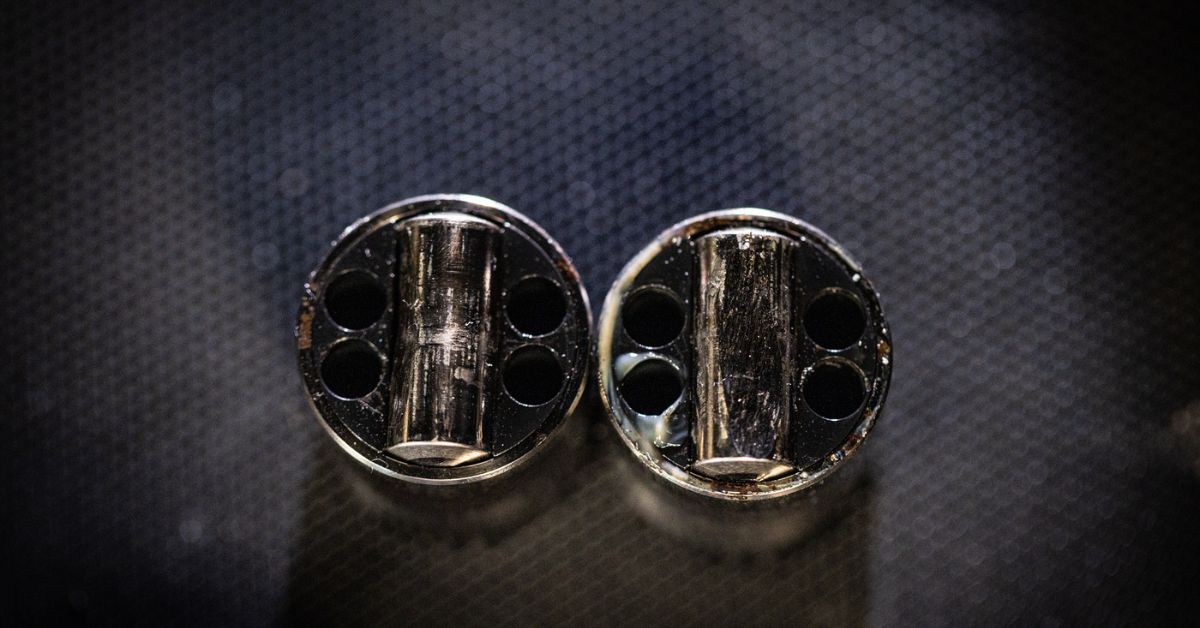
Every gallon of fuel you burn leaves behind microscopic residue. In a clean system, that residue gets flushed through, but without detergents to break it down, it accumulates inside injector nozzles, on injector tips and along valve seats.
These internal diesel injector deposits (IDIDs) are a waxy, polymeric buildup that standard pump fuel cannot prevent or remove. Over time, they restrict fuel flow, distort spray patterns and prevent injectors from atomizing fuel correctly, causing incomplete combustion, wasted fuel, black smoke and reduced power.
You may notice that your truck feels sluggish under load, fuel economy drops and you’re filling up more often but getting less performance. Eventually, injectors clog completely, misfire or fail outright. Replacement costs depend on the engine, but you’ll need additional repair work if the rest of the fuel system is contaminated by debris from the failed injector.
2. Low Lubricity Accelerates Fuel Pump and Injector Wear
Ultra-low sulfur diesel (ULSD) was mandated to reduce emissions, but refining it also stripped away natural lubricity. Diesel fuel is supposed to lubricate the moving parts inside your fuel pump and injectors. Without adequate lubricity, metal grinds against metal at high pressure and high speed.
The Bosch CP4 pump — used in Ford Power Stroke and GM Duramax engines — is particularly vulnerable. It was designed for fuel with a wear scar of 460 microns or less. Pump diesel in the U.S. frequently tests at 500 microns or worse. That gap accelerates wear inside the pump, and metal shavings form. Those shavings circulate through the entire fuel system, scoring injectors, clogging filters and contaminating the tank.
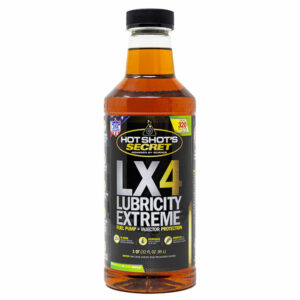
When a CP4 pump fails, extensive damage can require you to replace the injectors, fuel lines, tank and filters. Total repair cost can exceed $10,000. These expenses can be preventable if you treat the fuel before the damage starts. Using an additive like LX4 Lubricity Extreme increases lubricity by up to 56% in ASTM D-6079 testing, keeping wear within safe limits.
3. Water and Contamination Corrode From the Inside
Water gets into diesel fuel. It condenses in underground storage tanks and forms when temperature fluctuations cause moisture buildup in your truck’s tank. Biodiesel blends make it worse because biodiesel is hygroscopic, meaning it attracts and holds water.
Without something to disperse that water, it sits at the bottom of the tank and promotes microbial growth. Bacteria and fungi colonize the fuel, forming sludge that clogs filters and corrodes metal components. Water also causes injector scoring and accelerates rust throughout the fuel system.
By the time you see symptoms like rough running, hard starts and fuel filter warnings, the contamination is systemic. Cleaning it out means draining the tank, replacing filters and potentially rebuilding injectors. A quality fuel treatment with a non-alcohol demulsifier prevents this from ever becoming a problem.
4. Low Cetane Means Poor Combustion and Higher Emissions
Pump diesel in the U.S. typically has a cetane rating between 40 and 45. Diesel engines are designed to perform best on cetane ratings of 50 or higher. That 10-point gap affects ignition quality, combustion efficiency and power output.
Low cetane causes harder cold starts, rough idling and increased combustion noise. Incomplete combustion creates more soot, which loads up your diesel particulate filter (DPF) faster and triggers more frequent DPF regeneration cycles. More regens mean more fuel burned, more heat stress on engine components and shorter DPF lifespan.
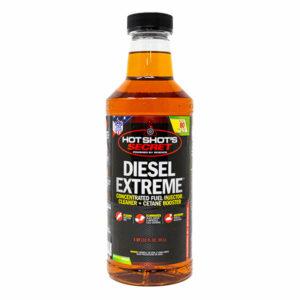
A cetane booster closes that gap. Products like Diesel Extreme raise cetane by up to seven points, restoring combustion efficiency and reducing soot production.
Comparing the Real Cost of Prevention vs. Repair
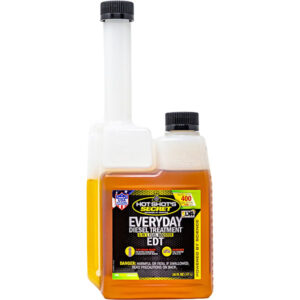
Let’s talk numbers. A 16-ounce bottle of Everyday Diesel Treatment treats 200 to 400 gallons, depending on dosage. At 1 ounce per 25 gallons, you’re spending pennies per fill-up.
Compare that to repair costs when things fail, considering that components and labor costs can total thousands of dollars:
- Injector replacement
- CP4 pump failure (full system contamination)
- DPF replacement
- Fuel system cleaning (microbial contamination)
Preventive treatment costs a fraction of what you’d pay for repairs. Treated fuel delivers better fuel economy, smoother performance and longer component life. Over 100,000 miles, the savings in avoided repairs and improved efficiency more than pay for the additives.
Should You Use Fuel Additives in Your Diesel?
Yes, you should use quality additives, especially if you’re running a late-model diesel with high-pressure fuel injection. Additives are also important if you’re in a cold climate where winter fuel quality varies or you tow, haul or run high-mileage cycles.
Modern pump diesel doesn’t provide the lubricity, cetane or cleanliness your engine was designed for, but carefully formulated fuel additives compensate for that gap. They’re not optional upgrades. Science-backed additives designed to offer higher lubricity and better cetane ratings contribute to basic maintenance for engines operating under conditions that pump fuel wasn’t formulated to handle.
What Hot Shot’s Secret Recommends
Hot Shot’s Secret products are Powered By Science and backed by the best money-back guarantee in the industry. Here’s the stack that protects diesel engines from the consequences of untreated fuel.
- Diesel Extreme: Deep cleaning your fuel system every 6,000 miles removes internal and external injector deposits, boosts cetane up to seven points and restores combustion efficiency.
- Everyday Diesel Treatment (EDT): Formulated with LX4 Lubricity Extreme, EDT increases lubricity by up to 26%, disperses moisture, cleans injectors and stabilizes fuel. Use it at every fill-up.
- LX4 Lubricity Extreme: Maximum protection for CP4-equipped trucks and high-mileage systems reduces wear scar.
- EDT+ Winter Defense: Switch to this formula when temps drop below 32°F to prevent gelling and icing down to -40°F while delivering all the benefits of EDT.
Protect Your Diesel With Hot Shot’s Secret
If you want to protect your diesel engine and avoid costly repairs, diesel fuel additives are the answer. Shop Hot Shot’s Secret fuel additives and protect your engine today.