
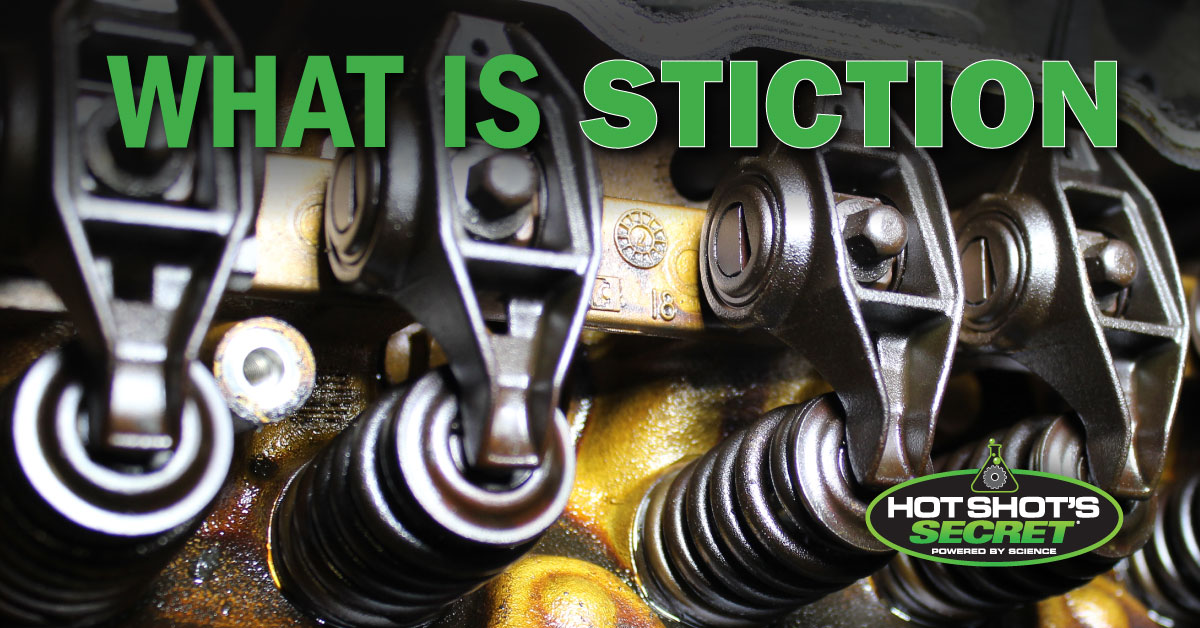
Stiction is static friction caused by sticky oil deposits that prevent engine components from moving freely. When oil oxidizes under heat, it forms varnish that bonds to metal surfaces, increasing resistance to movement. This sticky friction in engines prevents components from operating smoothly. Modern high-pressure diesel engines are increasingly vulnerable due to tighter tolerances and higher …

Your turbocharger plays a major role in how your diesel runs — airflow in, exhaust out, power made. Good maintenance habits can help your turbocharger deliver consistent boost over the long haul and may reduce the risk of expensive, avoidable problems. Discover some of the best diesel turbo care tips and learn how to perform …

A fuel rail pressure sensor monitors the diesel engine’s fuel rail pressure. It measures the fuel pressure and sends data to the engine control unit (ECU). This guide will cover fuel rail pressure sensors, including their locations and maintenance. What Is a Fuel Rail Pressure Sensor? A diesel engine relies on working components to send …

Using an engine flush is a common way to clear out the buildup in your engine, but there is a lot you should take into consideration before making this decision. An engine flush is not always the best choice for your vehicle. What Is an Engine Flush? An engine flush is an aftermarket chemical additive …
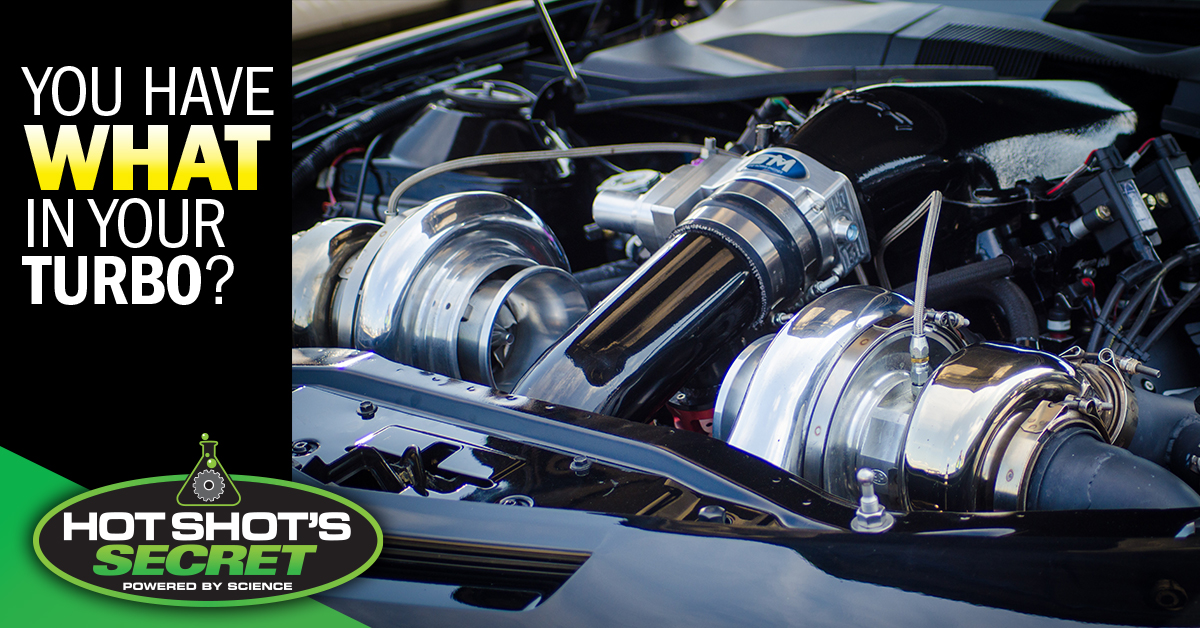
Turbos are great additions to the modern combustion engine. Simply put: they take wasted air and turn it into power, efficiency, and cool sounds. For Diesel owners we love that whistling sound the turbo provides and of course the extra ompf. However, today’s efficiency standards are pushing manufacturers to put turbos in just about every …