
Modern fuel is not what it used to be. Ultra-low sulfur diesel offers less lubrication than older formulations, while ethanol-blended gasoline leaves deposits that older engines never faced. The result? Injectors clog, fuel systems corrode and engines lose power over time.
A fuel treatment addresses these issues by cleaning internal components, restoring lubricity and improving combustion efficiency. Whether you drive a diesel truck daily or store a gasoline vehicle for months at a time, understanding what fuel treatments do and how they protect your engine can help you avoid costly repairs and keep your vehicle running at peak performance.
What Is a Fuel Treatment?
What is a fuel treatment for cars or trucks? It’s a chemical additive you pour directly into your gas or diesel tank to clean the fuel system, improve combustion efficiency, increase lubricity, stabilize fuel and prevent corrosion. These treatments are designed to help restore lost performance, improve fuel economy and protect critical components like injectors, fuel pumps and combustion chambers.
Fuel treatments work for both gasoline and diesel engines. You add them to your fuel tank, and they work throughout the entire fuel system as the fuel circulates. They’re not the same as oil additives — those go into your engine’s crankcase.

What Does Fuel Treatment Do for Your Car?
The benefits of fuel treatment include:
- Cleans fuel injectors: Removes varnish and carbon deposits that restrict fuel spray.
- Removes carbon deposits: Breaks down buildup on intake valves and combustion chambers.
- Improves fuel economy: Supports efficient combustion, which can help recover lost MPG.
- Increases cetane or stabilizes octane: Improves ignition quality for smoother combustion and better performance.
- Improves lubricity: Compensates for reduced lubrication in ultra-low sulfur fuels and lubricates the upper cylinders.
- Reduces hard starts and rough idling: Cleans injectors and stabilizes fuel delivery.
- Prevents corrosion: Protects metal components from moisture damage.
- Stabilizes stored fuel: Prevents oxidation during long-term storage.
Think of your fuel injectors like a shower head. When deposits build up, they disrupt spray patterns and waste fuel. Detergent-based treatments dissolve these deposits, restoring the fine mist your injectors need for complete combustion. Simple concept, powerful results.
How Gas and Diesel Treatments Differ
Gasoline and diesel engines face different fuel-related challenges. Here’s the breakdown.
For Gasoline Engines
Gas engine treatment tackles problems unique to spark-ignition engines. Modern gasoline contains ethanol — typically E10 or E15. Ethanol attracts moisture and leaves deposits on intake valves, especially in direct-injection engines.
What does gas treatment do for your car? The benefits of gas treatments include cleaning intake valves, removing combustion chamber deposits and restoring lost fuel economy. If you’ve noticed engine knock, hesitation or sluggish throttle response, fuel treatment can address these issues before they turn into expensive repair bills.
For Diesel Engines
Diesel engines deal with different issues. Ultra-low sulfur diesel (ULSD) reduced emissions but removed inherent lubricity. Without supplemental lubrication, high-pressure pumps and injectors wear faster, leading to expensive failures.
Diesel fuel treatments restore this lubricity while addressing injector coking and improving cetane rating for smoother operation and easier cold starts. Anti-gel treatments prevent fuel from gelling in freezing temperatures. Because a gelled fuel tank at 5 a.m. in February is nobody’s idea of a good time.
Do You Need a Fuel Treatment?
You should consider using one if you:
- Drive mostly short distances
- Use ethanol-blended gasoline
- Drive a diesel vehicle
- Store vehicles or equipment for extended periods
- Have noticed rough idle, hesitation or decreased fuel economy
How Often Should I Use a Fuel Treatment?
Fuel treatments are especially valuable for cars and vehicles in storage or that don’t see much use. When you leave a car sitting, the fuel can degrade, leading to rust and even engine problems when you drive it again. Using a fuel treatment before storing a car for a long time can help prevent fuel from deteriorating and ensure it’s ready for use the next time you break it out for a trade show or a beautiful summer cruise.
On the other hand, your high-use vehicles can benefit just as well from fuel treatments. The lubrication in most treatments reduces friction, resulting in fewer difficult starts and less rough idling and providing an overall smoother performance. When you’re constantly on the move, these small changes can add up to significant savings on fuel and car maintenance. And when you’re putting on serious miles, every tenth of a mile per gallon counts.
Daily drivers can treat every 3,000 to 6,000 miles. Diesel trucks are often treated at every fill-up, especially to protect and enhance perfromance. For stored vehicles, add a stabilizer before storage.
Our Fuel Treatment Options
We offer a range of treatments so you can find what works best for your vehicle. Whether you drive diesel or gas, we’ve developed treatments to address your engine’s specific challenges. Every product is Powered By Science — meaning lab formulated, dyno tested and field proven before it ever reaches your fuel tank.
Diesel Fuel Treatments
We’ve specialized in offering proven solutions for diesel-powered engines. Each delivers multiple benefits and is formulated for regular use when appropriate.
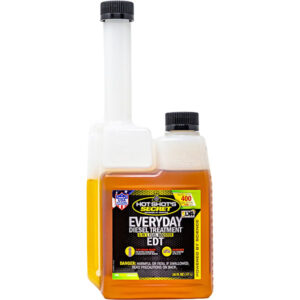
- Everyday Diesel Treatment: All-in-one formula that boosts cetane, maintains cleans injectors, adds lubricity and disperses water.
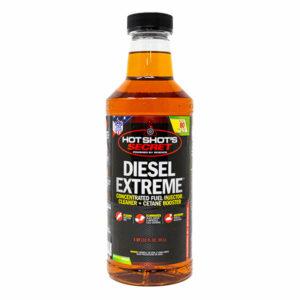
- Diesel Extreme: Our most powerful diesel injector cleaner that removes internal deposits. Use every 6,000 miles for a deep clean.
- EDT+ Winter Defense: Advanced winter anti-gel treatment that helps prevent fuel gelling while also boosting cetane and lubricity for improved cold‑weather performance.
- Diesel Winter Rescue: Emergency treatment that re-liquefies gelled fuel.
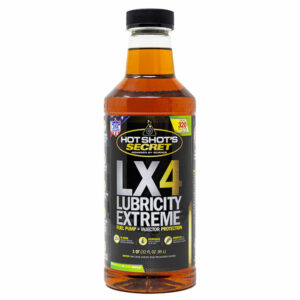
- LX4 Lubricity Extreme: Concentrated lubricity additive that protects high-pressure fuel systems.
Gasoline Fuel Treatments
While our specialty may be diesel, we never forget fuel treatments for the gasoline car, too. If your everyday vehicle needs a tuneup, add one of these treatments to your next fill-up.
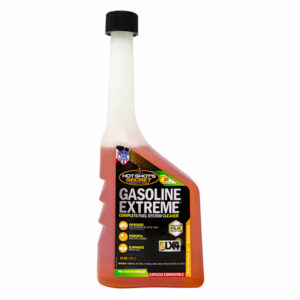
- Gasoline Extreme: Advanced cleaner that removes intake valve deposits and varnish. Use every 10,000 miles for a deep clean.
- LX4 Lubricity Extreme: Lubricates the upper cylinders and protects fuel pumps and injectors from ethanol-related wear. Use at ever fill-up.
FAQs About Fuel Treatments
Browse some of the most common queries about fuel treatments to learn more.
Do Fuel Treatments Actually Work?
Yes, when formulated properly. Quality fuel treatments use proven detergent chemistry to remove deposits and restore fuel system cleanliness. Effective treatments improve injector flow, reduce emissions and restore fuel economy. Before we ever release a treatment for sale, it goes through an extensive three-step testing process involving laboratory analysis, dynamometer testing with third-party field experts and real-world testing with trustworthy clients.
Can Fuel Treatment Increase MPG?
Fuel economy improvements depend on engine condition and the severity of deposit buildup. In some cases, drivers may see fuel economy gains in the range of 2% to 8%, though results vary. These improvements reflect recovered efficiency rather than performance beyond the engine’s original design.
In diesel engines, a fuel treatment that includes a cetane booster can help improve fuel economy by allowing the fuel you purchased to burn more completely. Diesel engines are designed to operate within a specific cetane range targeted by engine manufacturers, and when fuel falls below that level, combustion efficiency can suffer. By raising cetane toward the level the engine was designed for, a diesel fuel treatment can help restore proper combustion, resulting in smoother operation and, in many cases, improved fuel economy.
Gasoline engines respond differently than diesels because combustion is controlled by spark timing and octane rather than cetane. A gasoline fuel treatment won’t change the fuel’s designed octane rating, but it can help restore efficiency by cleaning intake valves, injectors, and combustion chambers. By removing deposits that disrupt airflow and fuel spray, a quality gasoline treatment can help the engine run more smoothly and efficiently, which may help recover fuel economy that’s been lost over time.
Is Fuel Treatment Safe for My Engine?
Yes. Our formulations are compatible with catalytic converters, diesel particulate filters, oxygen sensors and all fuel system materials.
Find the Right Hot Shot’s Secret Fuel Treatment Solution for You
Your fuel system works hard every time you drive. Give it the protection it deserves. Hot Shot’s Secret offers diesel and gasoline treatments backed by lab testing and real-world results. We stand behind every product with the best money-back guarantee in the industry, and most orders over $49 ship free.
Treating your fuel system today can save you thousands tomorrow. Not sure which treatment is best for your vehicle? Contact our team online, and we’ll help you choose the right solution for your engine.