

Owning a diesel comes with serious advantages—but it also comes with responsibilities many new owners don’t see coming. Small oversights can quietly shorten engine life, hurt fuel economy, and lead to repairs that could have been avoided. The good news? Most diesel problems are preventable with the right knowledge and habits.
Explore common diesel mistakes, maintenance tips and other details in this detailed diesel owner guide to have the best experience possible with your diesel engine.

Mistake #1: Ignoring Diesel Fuel Type
There are multiple types of diesel, and each is suitable for different applications. When chosen incorrectly, the wrong fuel type can cause serious issues inside your vehicle. When you go to refill the tank, your options will include:
- High‑sulfur diesel: No longer legal for on‑road use in modern diesel vehicles due to emissions regulations.
- Ultra-low sulfur diesel (ULSD): This type is common for modern on-road vehicles because it is a cleaner-burning fuel and meets today’s regulations regarding emissions.
- Biodiesel blends (B5-B20): Biodiesel blends can reduce emissions, but higher blends may cause fuel system issues if the engine isn’t designed for them.
How to Choose Correctly
Always fuel up at reputable stations and follow your manufacturer’s fuel recommendations. Just as important is understanding what modern diesel fuel lacks—namely lubricity and stability.
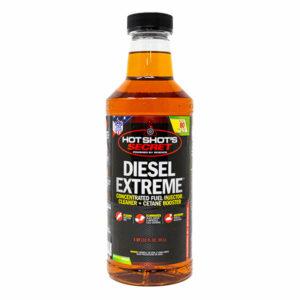
Quality fuel additives help replace that lost protection by improving lubricity, fighting gelling, and controlling contamination. The result is smoother operation, better protection, and fewer surprises down the road..
Impact of Ignoring Fuel Type
Running contaminated or incorrect diesel can lead to clogged filters, injector wear, fuel pump damage, reduced performance, and unexpected downtime. These repairs are expensive and in most cases, completely avoidable with the right fuel practices.
Mistake #2: Skipping Regular Oil and Filter Changes
Diesel engines are built to work harder, under higher loads, for longer periods of time. Due to the nature of diesel fuel, these engines produce a higher quantity of soot and contaminants than gas engines, requiring more robust maintenance. The quality and viscosity of your oil indicate how well, and if, your vehicle will run with these considerations in mind. Oil viscosity directly impacts startup protection, lubrication consistency, and long‑term engine performance.
How to Avoid Diesel Engine Problems From Oil
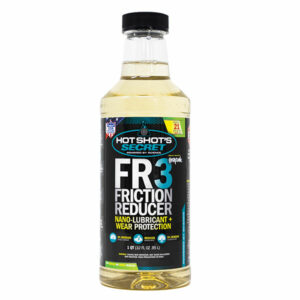
Ensuring the correct oil viscosity is actually very simple, but it requires consistent check-ins. It is always advised to stick to the oil change interval schedule recommended by your manufacturer and use high-quality oil filters. You should also consider utilizing additives in your oil, especially for high-mileage engines to deep clean the oil side of the engine.
Consequences of Missing Maintenance
Skipped oil and filter changes don’t usually fail overnight—but the damage adds up. Increased wear, sludge buildup, blow-by issues, and turbo stress can all stem from poor oil maintenance, eventually leading to costly repairs and lost uptime.
Mistake #3: Ignoring Cold-Weather Preparations
Cold weather exposes weaknesses in fuel quality, oil selection, and maintenance habits faster than any other season. As frost and ice form on or around your vehicle, wax formation becomes a common issue. In cold weather, your oil can become too thick, affecting lubrication and system efficiency. Difficult cold starts can also lead to a dead engine, canceled plans and even costly repairs.
How to Winterize Your Engine
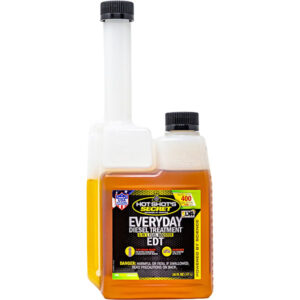
Prepare ahead of time with anti‑gel additives, season‑appropriate oil viscosity, and proper fuel management. You can achieve this by investing in anti-gelling additives for your diesel, maintaining proper oil viscosity all year round, and maintaining fuel tank levels at all times. It is important to keep a good eye on all of these considerations, so you can have full control when temperatures drop.
Consequences of Diesel Fuel Gelling and Thick Oil
In the winter, an engine that won’t start is equal to a nightmare. If you fail to prepare your diesel engine for the colder months, you could encounter a dead engine, clogged fuel filters and heavy wear and tear on your vehicle’s components. These issues then cause trouble all year round, not just in the winter.
Mistake #4: Overlooking Turbocharger and Air System Maintenance
Common diesel mistakes also include ignoring dirty air filters, practicing poor oil care and neglecting your diesel engine cooling systems. Diesel engines require intense care, and without proper maintenance, your turbo may sustain damage from debris, a lack of lubrication and eventual heat stress on your vehicle.
How to Maintain These Systems
To avoid damage, practice regular turbo inspection, stick to the recommended oil change schedules and invest in air filter replacements when needed. Adjusting your driving habits can also help — you should allow for proper warmup and cooldown periods for your turbo engine to keep it running efficiently.
Consequences of Oversight
Ignoring turbocharger issues and air system maintenance needs can result in a myriad of problems, including:
- Reduced engine efficiency
- Expensive turbo repairs
- Potential engine damage
- Costly engine failure
Mistake #5: Mismanaging Diesel Emissions Systems
Emissions system failures are among the most expensive repairs modern diesel owners face. Ignoring DPF maintenance, DEF quality, or regeneration cycles can quickly lead to derates, warning lights, and expensive repairs.
How to Manage Them
Learn how your emissions system operates, follow DEF and DPF service recommendations, and don’t ignore early warning signs. High‑mileage and fleet vehicles especially benefit from proactive maintenance and professional guidance.
Consequences of Ignoring Emissions
Ignoring emissions warnings often leads to reduced performance, failed inspections, and repair bills that could have been avoided with early action.
Get Started With Diesel Maintenance Tips and Trusted Products
At Hot Shot’s Secret, we formulate problem‑solving additives trusted by diesel owners who expect more from their engines. From fuel system protection to oil treatment and cold‑weather defense, our products are built to help your diesel run stronger, last longer, and cost less to maintain. Put our diesel ownership tips to work and shop our complete lineup today!