

A DPF (diesel particulate filter) is a specially designed filter that is designed to capture soot from your vehicle’s exhaust system. The reason behind the need for DPFs is to meet the emission standards from the EPA. A blocked DPF filter can cause problems, which is why you need to make sure that it is clean. If …

’Tis the season for diesel- and gasoline-themed gifts for all of the gearheads in your life. Hot Shot’s Secret is the one-stop destination for all of your holiday gift-buying needs. We have products and bundles that are sure to excite all of the gun lovers and vehicle enthusiasts in your circle. Keep reading for lots of …
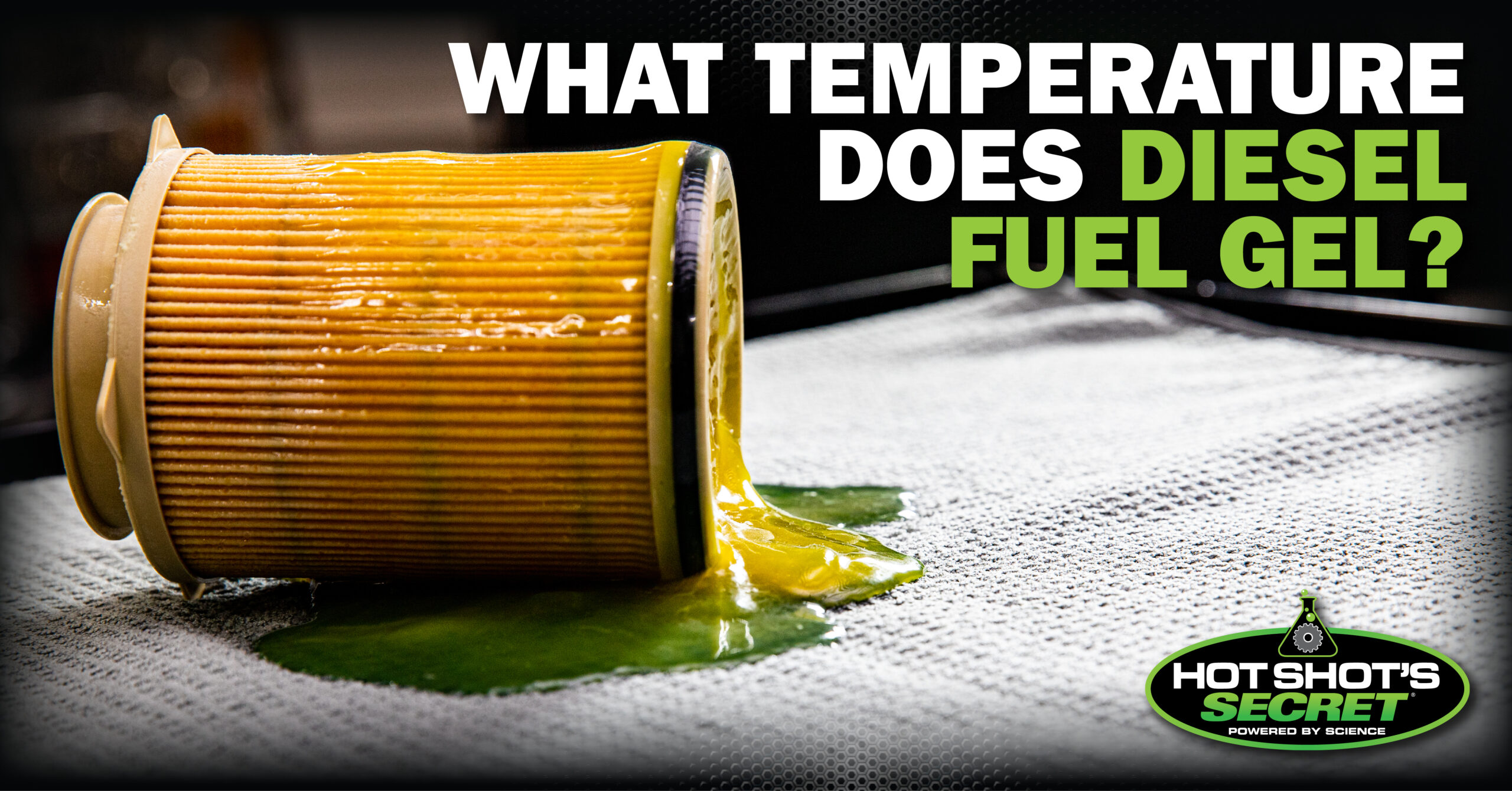
What To Do If Your Diesel Fuel Gels If you drive a diesel vehicle, you must consider diesel fuel gelling as part of your preventive maintenance routine. Diesel fuel gelling occurs when the fuel thickens or ‘gels’ in cold temperatures, which can hinder the engine’s operations and significantly impact your vehicle’s ability to start. It is …
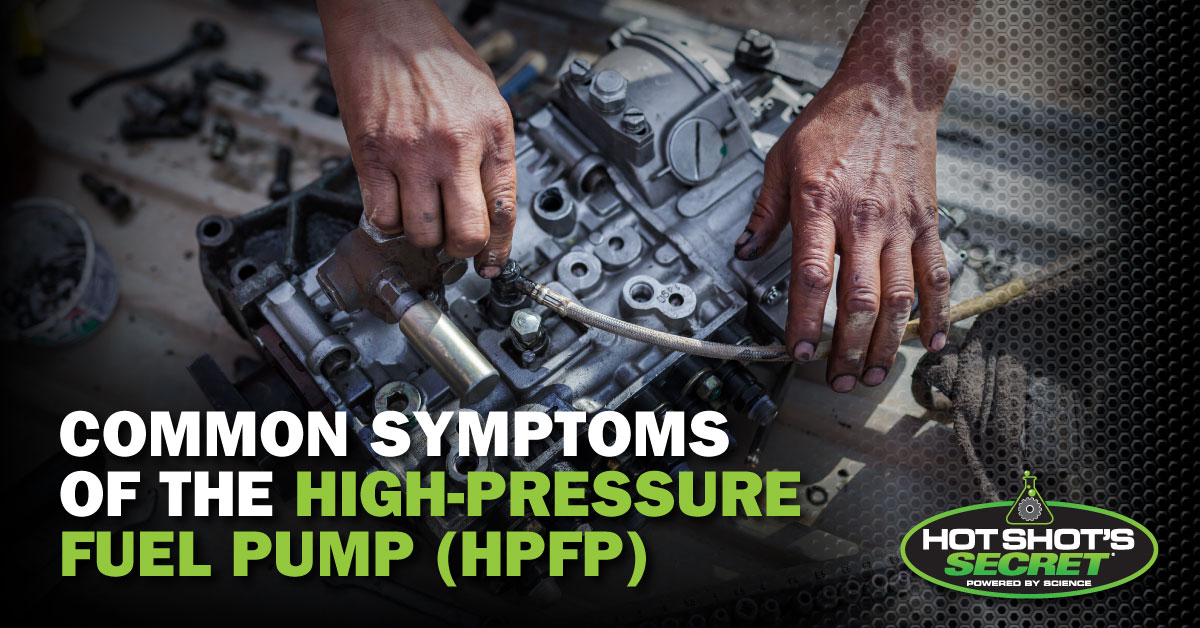
The high-pressure fuel pump is essential in modern diesel engines. It delivers fuel to the injectors at precise pressures necessary for efficient combustion. Diesel engines depend on HPFPs for optimal performance and durability, as diesel fuel requires atomization at significantly higher pressures than gasoline engines. Proper fuel flow and pressure maintained by the HPFP enhance engine …
In a market saturated with different engine oils, choosing which product best fits your vehicle can be challenging. This article explains the basics of diesel and gas oils, their differences and the science behind their formulation. We answer some frequently asked questions about engine oil and what you need to know about our most popular additives. Engine Oil and Its Benefits Engine oil acts as a lubricant for the engine’s moving metal …
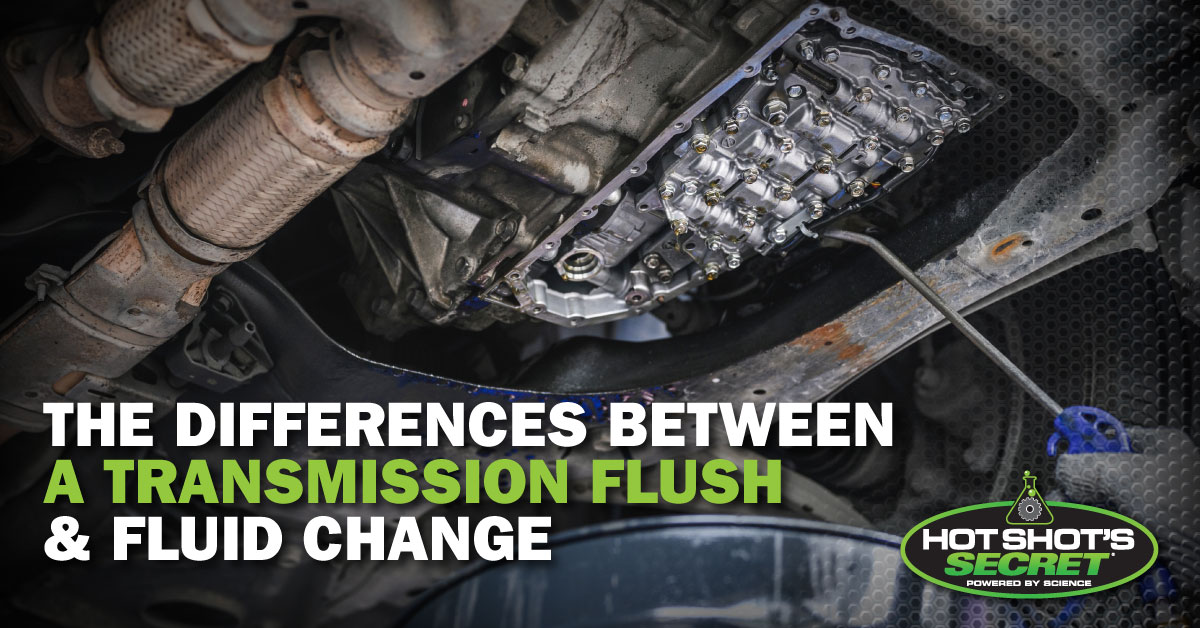
For any car owner, keeping your vehicle’s fluids clean and topped off is key to effective maintenance. Whether you drive a manual or automatic transmission, clean transmission fluid is essential in providing adequate hydraulic pressure and lubricating moving parts. Many car owners, however, don’t grasp the importance of these fluids, so they tend to neglect …
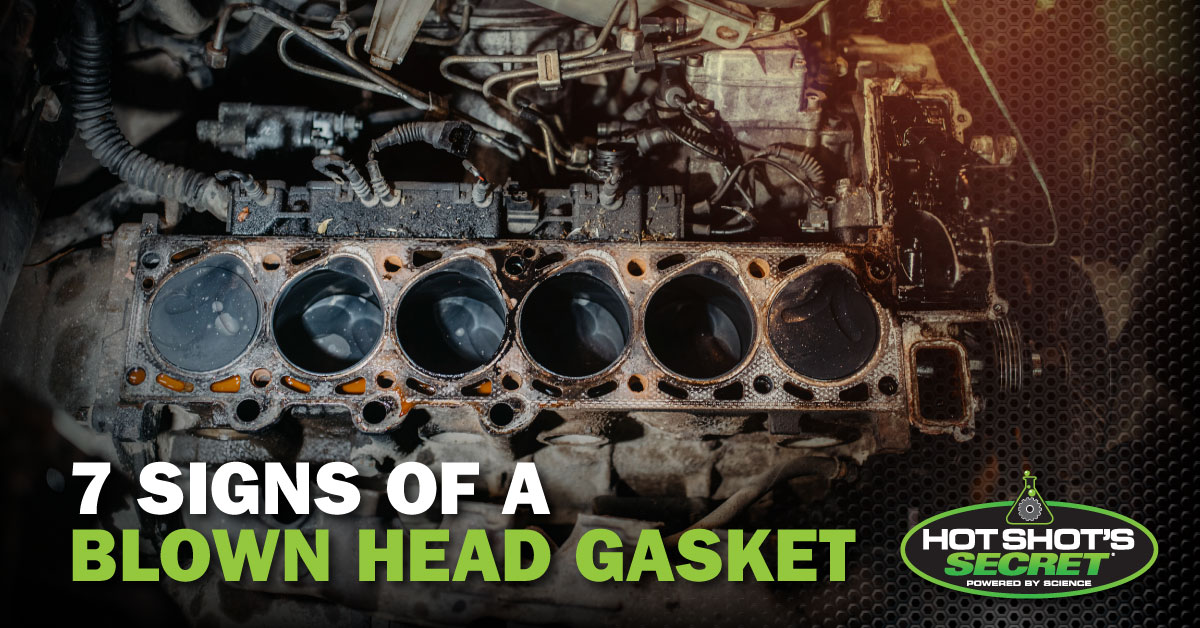
When your vehicle’s head gasket fails, it affects engine performance and can lead to severe and costly damage. Knowing the first signs of a blown head gasket early on can save you from expensive repairs and lengthy downtime. Catch the First Symptoms of a Blown or Leaking Head Gasket You may be able to …
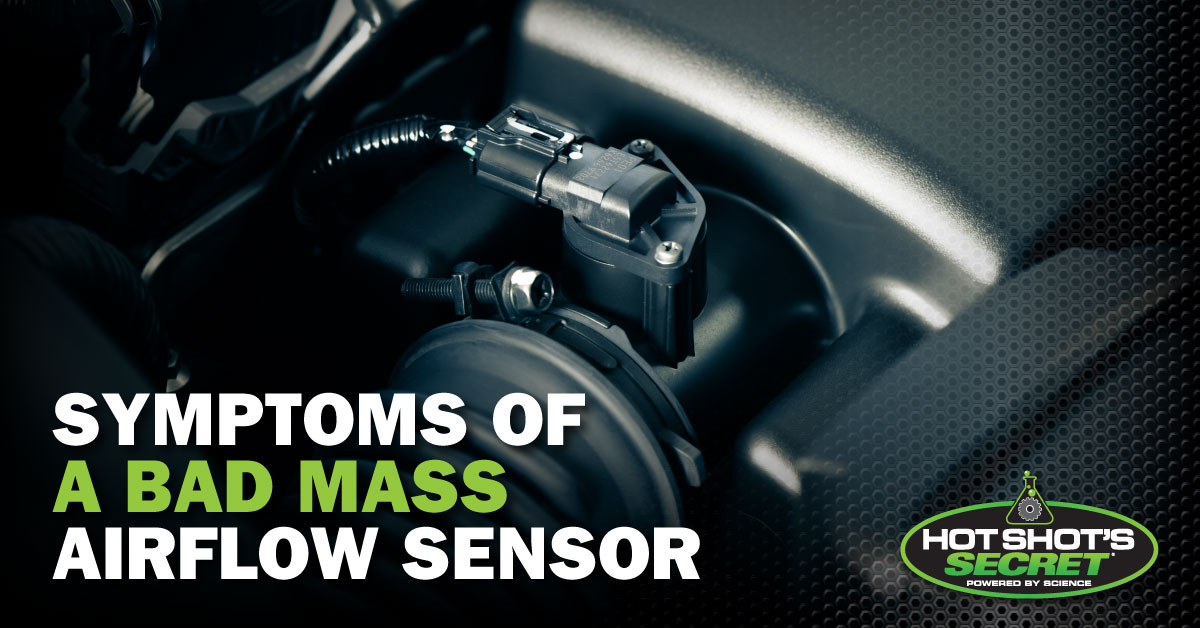
When your vehicle starts acting up, pinpointing the culprit can feel like searching for a needle in a haystack. One often overlooked component is the mass airflow (MAF) sensor. Knowing the signs of a bad MAF sensor can help you get back on the road without more costly repairs and downtime. Let’s examine some of …

Excessive exhaust smoke can indicate your diesel needs attention. While smoke coming from a diesel engine is a common sight for many owners, excessive exhaust fumes may signal complications such as poor seals, stiction, clogged air filters or fuel injector damage. Check out our guide below to learn more about common types of smoke, their …