
Contaminated diesel fuel can be extremely harmful to modern diesel engines. Many internal components inside your fuel system’s injectors are highly susceptible to sticking or wear when exposed to potentially harmful contaminants. Damage to these critical components can pose a safety risk to drivers and passengers, lead to costly repairs and decrease your vehicle’s lifespan significantly if left unaddressed.
Modern ultra-low sulfur diesel (ULSD) makes contamination prevention even more critical. ULSD offers less natural lubricity and antimicrobial protection than older fuel formulations, leaving your fuel system more vulnerable to damage and in need of quality fuel additives.
What Is Diesel Fuel Contamination?
Water, microorganisms, dirt, debris and other potentially harmful particles can contaminate your fuel and lead to severe system damage. Areas of concern include clogged fuel filters, a malfunctioning fuel pump, injector failure and more.
Diesel contamination takes several forms. Free water settles at tank bottoms while emulsified water remains suspended throughout the fuel. Microbial growth in diesel fuel — often called “diesel algae” but actually bacteria and fungi — forms dark sludge. Sediment, rust and fuel oxidation damage precision components.
What Causes Diesel Fuel Contamination?
Four primary contamination sources threaten diesel fuel quality.
- Water intrusion: Condensation in partially filled tanks, poor fuel storage, delivery contamination and underground storage tank issues introduce water. Water accelerates corrosion and enables fuel microbial growth.
- Microbial growth (diesel bacteria and fungi): Bacterial and fungal colonies thrive at the water-fuel interface, forming biofilms that plug filters and corrode tanks in as little as seven days.
- Fuel oxidation and degradation: Diesel stored for 6 to 12 months or longer degrades from heat and oxygen exposure. Chemical breakdown creates varnish, gum and sediment that restrict fuel flow.
- Particulate contamination: Rust, dirt and fuel station debris and tank corrosion introduce abrasive particles. Contaminated diesel from poor storage carries these contaminants directly to injectors designed to micron-level tolerances.
Common Diesel Contamination Symptoms
Recognizing diesel fuel contamination symptoms early prevents catastrophic damage.
Engine Performance Issues
Contaminated fuel in your diesel engine produces distinct performance problems:
- Rough idling from inconsistent fuel delivery
- Hard starting when fuel quality compromises spray patterns
- Misfires from incomplete combustion
- Hesitation during acceleration
- Surging at steady speeds
Fuel System Damage
Water contamination removes protective lubricity, accelerating injector wear through metal-to-metal contact. CP4 pump failures in high-pressure common rail systems scatter metal debris throughout the fuel system. Particulates act as abrasives, scoring injector nozzles designed to micron-level tolerances.
Excessive Smoke or Emissions
White exhaust smoke indicates water burning in the combustion chamber, while black smoke indicates incomplete combustion due to degraded fuel or restricted injectors. Contamination also increases DPF regeneration frequency by loading the particulate filter faster than normal.
Repeated Fuel Filter Plugging
When filters need replacement before scheduled intervals, active contamination is present. This is the most reliable early warning sign — it appears before engine damage occurs, giving you time to intervene.
How to Test for Diesel Fuel Contamination
Testing confirms contamination type and severity, helping you choose the right treatment approach.
Visual Inspection
Pour fuel into a clear jar and check for cloudiness, dark sludge or water separation lines. Clean diesel appears transparent amber, while contaminated fuel shows visible discoloration or layering.
Water Detection Paste
Apply paste to your dipstick before checking tank levels. The paste changes color when contacting water, confirming its presence even in small amounts.
Filter Inspection
Cut open used fuel filters to examine trapped contaminants. Dark, gel-like material indicates biological growth. Rust particles confirm tank corrosion. Excessive sediment suggests fuel degradation.
What Happens If You Run Contaminated Diesel?
Running contaminated fuel can lead to expensive repairs. Injector replacement costs $3,000 to $8,000, while CP4 pump failures can exceed $10,000. Contaminated diesel cuts fuel economy by 10% to 15% and accelerates engine wear.
Can Contaminated Diesel Fuel Be Fixed?
The good news is that most contamination problems are reversible when caught early. The treatment approach depends on the severity.
- Mild water contamination: Drain your water separator immediately. Demulsifier additives are designed to help separate water from fuel, allowing it to settle for removal.
- Microbial contamination: Biocide treatment kills bacterial colonies in diesel fuel. After treatment, remove dead biomass through filtration and clean tanks to eliminate biofilm residue.
- Severe contamination: Fuel polishing uses multi-stage filtration to remove water and particulates. Extreme cases require tank draining, professional cleaning and fresh fuel.
How to Prevent Diesel Fuel Contamination
Prevention costs far less than contamination damage. These proven practices protect your fuel system from water intrusion, microbial growth and degradation.
- Keep tanks full to minimize condensation.
- Drain water separators regularly.
- Use fuel stabilizers for storage exceeding 30 days.
- Buy fuel from high-turnover stations with frequently rotating underground tank inventory.
- Test stored fuel every three to six months for water content and biological growth.
Diesel Fuel Contamination in Different Applications
Different diesel applications face unique contamination challenges:
- Personal diesel trucks: Contamination from infrequent fill-ups, seasonal storage and varying fuel quality
- Heavy equipment: Bulk storage where water intrusion and biological growth develop in large-volume tanks
- Agricultural equipment: Extended idle periods and temperature fluctuations promote condensation
- Fleet and bulk storage tanks: Large volumes requiring standardized testing protocols
- RVs and seasonal equipment: Highest risk during storage as degradation accelerates in stagnant tanks
Best Additives for Diesel Fuel Contamination Prevention
Quality fuel additives can help address several vulnerabilities associated with ULSD through targeted chemistry. Understanding additive functions helps match solutions to contamination risks.
Demulsifiers separate water from fuel — the opposite of emulsifiers, which suspend water. Cetane improvers restore ignition quality. Lubricity improvers replaces the lubrication removed during ULSD refining. Stabilizers extend shelf life to 12 to 24 months. Corrosion inhibitors protect against acidic byproducts.
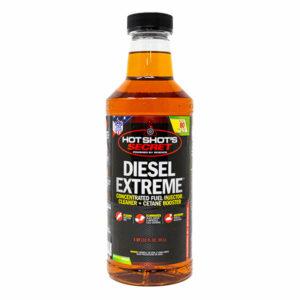
Diesel Extreme
Diesel Extreme combines demulsifier chemistry, cetane improvers, and detergents to help manage water contamination and keep injectors operating properly in modern diesel fuel systems.
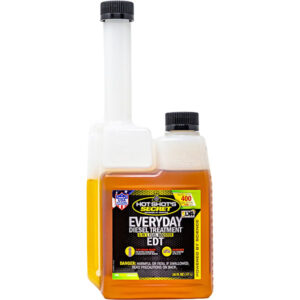
Everyday Diesel Treatment
Everyday Diesel Treatment provides a cetane boost, added lubricity protection, and fuel stability for daily use, helping compensate for the reduced lubricity of ULSD fuel.
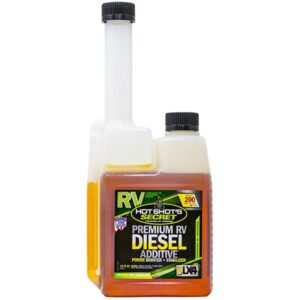
RV Diesel Additive
RV Diesel Additive delivers comprehensive protection for seasonal equipment with stabilizers, corrosion inhibitors and lubricity additives for extended storage.
Frequently Asked Questions
Learn the answers to common questions about diesel fuel contamination and prevention.
How Do I Know If Diesel Fuel Is Contaminated?
Frequent filter replacement, rough running, excessive smoke and visible cloudiness indicate contamination. Testing confirms specific contaminant types and severity levels.
What Does Bad Diesel Fuel Look Like?
Contaminated diesel appears cloudy, dark or hazy rather than clear amber. Water separates visibly at the bottom. Biological growth creates gel-like sludge.
Will Contaminated Diesel Ruin Injectors?
Yes. Water removes protective films, causing accelerated wear. Particulates act as abrasives. Biological sludge restricts nozzle openings. Contamination causes premature injector failure in modern common rail systems.
Can Diesel Fuel Grow Algae?
No. “Diesel algae” is bacteria and fungi, not algae. These microbes thrive at water-fuel interfaces, forming sludge resembling algae.
Protect Your Diesel From Contamination
Diesel fuel contamination damages expensive components, but prevention is straightforward. Regular testing, water management and quality fuel additives protect your investment. Hot Shot’s Secret offers proven solutions backed by independent lab testing.
Our diesel fuel additives restore critical anti-wear protection, prevent chemical breakdown and manage water contamination. Have questions? Contact our team for expert guidance on contamination prevention.