
Without oil to lubricate engine components, your vehicle experiences significant damage quickly. While engine oil is essential to proper operation and longevity, it naturally degrades over time, reducing its effectiveness and contributing to a range of potential issues.
Engine oil additives and stabilizers are accessible, easy‑to‑use solutions designed to support engine protection, especially in high‑mileage or high‑performance diesel applications.
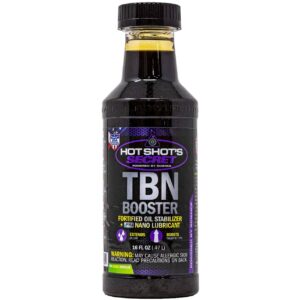
What Is an Oil Stabilizer?
Oil stabilizers are supplemental engine oil additives, designed to enhance film strength, reduce friction and protect engine components. The main role of oil stabilizers differs substantially from that of other oil additives, like friction modifiers and detergents.
Here is a quick outline of the differences and what you need to know:
- Oil stabilizers: These additives maintain oil viscosity and film strength under substantial heat and load.
- Friction modifiers: These products help to reduce friction between internal engine components.
- Detergents: These additives play a huge role in cleaning and maintaining the cleanliness of components.
Why Oil Stabilizers Matter for Your Engine
Oil stabilizers can play a valuable role in supporting engine protection. In demanding conditions, oil without supplemental support may be more prone to breakdown, which can contribute to increased wear, deposits, sludge, or elevated operating temperatures.
There are specific use cases where oil stabilizers are more vital than others. In high-mileage engines where the engine has been overworked, cold starts during the winter or heavy diesel soot accumulation, oil stabilizers may provide an added layer of protection between routine maintenance intervals and accelerated component wear.
Signs Your Engine Needs an Oil Stabilizer
There are a few warning signs that your engine needs an oil stabilizer. If not addressed, they can build and layer, causing significant issues in the long run. These signs include:
- Noticeably rough idling
- Strange or excessive engine noises
- Excessive oil consumption
- Older, high-mileage engines
- Engines under heavy load
Types of Oil Stabilizers and Their Uses
Engine oil stabilizers differ based on fuel type and performance expectations.
- Gas: Gas engine oil stabilizers are often used in light-duty trucks and passenger vehicles. Ideal for stop-and-go driving conditions, they support lighter-viscosity oils and improve oil film without excessive thickening.
- Diesel: Designed for turbocharged diesel engines, these additives are suitable for soot-handling scenarios. They are effective for engines operating at high temperatures, as they prevent oil thinning.
- High-mileage and performance: Designed for engines with more than 75,000-100,000 miles, these stabilizers are ideal for performance or turbocharged engines. They offer anti-wear benefits for older components and maintain oil film in larger clearances.
How to Properly Use an Oil Stabilizer
Follow these steps to use an oil stabilizer correctly.
1. Choose the Right Product for Your Engine
The right oil stabilizer for your engine will depend on a few key elements. Do an overview of your vehicle and consider if it runs on gas or diesel, how many miles are on your vehicle, and the performance levels your engine runs at.
Does your engine deal with heavy loads, or does it mainly operate as a passenger vehicle? These are important considerations to address before choosing the right oil stabilizer.
2. Check Your Engine Oil Level and Condition
Once you have decided on the right oil stabilizer for you, check your engine oil level and condition. You’ll need to start with clean oil that is appropriate for your vehicle.
If your oil is already degraded, you’ll need to start with an oil change and plan for regular oil changes in the future.
3. Add the Stabilizer Correctly
Next, you’ll add the stabilizer to your oil. Since oil stabilizers are thick, you may need to set them in a warm place to reach the pour point — the temperature at which the stabilizer flows.
Depending on the product, you’ll need to measure a specific amount of the additive based on the amount of oil your engine contains. To avoid overfilling, add the stabilizer in small increments and check the level with the dipstick.
4. Circulate and Monitor
Once you’ve added the oil stabilizer and checked your engine oil level and condition, be sure to circulate and monitor your engine performance. Keep a close eye on changes in engine performance, including both improvements and potential concerns. If you notice any sudden or specific changes, it’s vital to review them and determine whether your oil is the cause.
5. Keep up With Maintenance and Reapplication
Depending on the type of oil stabilizer you choose, frequency and reapplication will be different. On each bottle of oil stabilizer, it will state the number of treatments you need, when to use them and how much to add.
The usual measure for maintenance and reapplication is one treatment — as specified per product — per regular oil change.
Common Questions About Oil Stabilizers
Dive deeper into the advantages of using oil stabilizers correctly with these FAQs.
Can I Mix Different Oil Stabilizers?
Mixing oil stabilizers is not generally recommended. However, if you are going to mix them, always check the manufacturer’s labeled compatibility with other additives and avoid mixing those that don’t state appropriate mixing practices. If you combine products without knowing it’s safe, your engine may face oil thickening, precipitation, sludge or reduced protection.
Are Oil Stabilizers Compatible With Synthetic Oil?
Not necessarily. Some oil stabilizers will label compatibility with all oils. If your oil stabilizer or specific oil type does not state this information, double-check its compatibility with conventional, synthetic and fully synthetic oils.
Can Oil Stabilizers Improve Fuel Economy?
Oil stabilizers do not directly increase fuel economy, but in some cases, improved lubrication efficiency and smoother operation may support incremental efficiency benefits.
Will an Oil Stabilizer Prevent Engine Sludge?
Oil stabilizers can help support oil stability and film strength, which may assist in reducing conditions that contribute to sludge formation when used as part of a proper maintenance routine.
Hot Shot’s Secret Oil Stabilizer Options
Hot Shot’s Secret offers a wide range of oil stabilizer and additive options for a variety of specific vehicles and engines. We are proud to stock the best oil stabilizers for engines on the market. We offer:
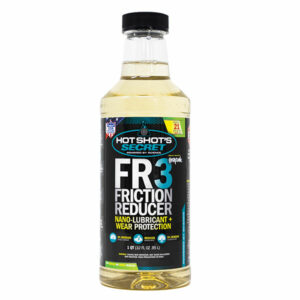
- FR3 Friction Reducer: If you’re looking for an oil stabilizer that focuses on maximizing lubrication efficiency rather than thickening oil, FR3 Friction Reducer making it the ultimate engine protection. This 100% synthetic oil additive is designed to improve film strength and reduce friction at the metal‑to‑metal contact points that see the most stress inside an engine. It’s often chosen by drivers who want added protection during high heat, heavy load, or extended run times, while still maintaining proper oil flow and viscosity characteristics.
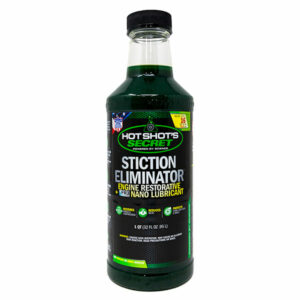
- Stiction Eliminator: For engines that have started to feel rough, noisy, or inconsistent, Stiction Eliminator is commonly considered when sludge, varnish, or carbon buildup may be affecting component movement. This additive is suitable for both gasoline and diesel engines, including high‑mileage vehicles, and is designed to help clean deposits that can contribute to sticking rings, lifters, or injectors. It’s a practical choice for restoring smoother operation while supporting overall oil performance as part of a regular maintenance strategy.
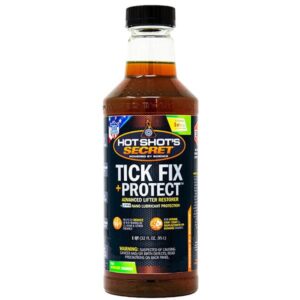
- Tick Fix + Protect: If engine ticking, valvetrain noise, or start‑up clatter has become more noticeable over time, Tick Fix + Protect is formulated to address those concerns while also supporting ongoing engine protection. This oil additive is designed to help cushion clearances between components and maintain oil film strength, which can contribute to quieter operation in high‑mileage engines. Many users consider it when normal oil changes alone no longer provide the noise reduction or protection they’re looking for.
Support Engine Performance With the Best Oil Stabilizer for Engines
Don’t wait until your engine is in dire need of help. Protect your engine, improve performance and extend the life of your vehicle today with Hot Shot’s Secret oil stabilizers and additives. Explore our full lineup to discover our options for gas, high-mileage, diesel and performance engines today.