
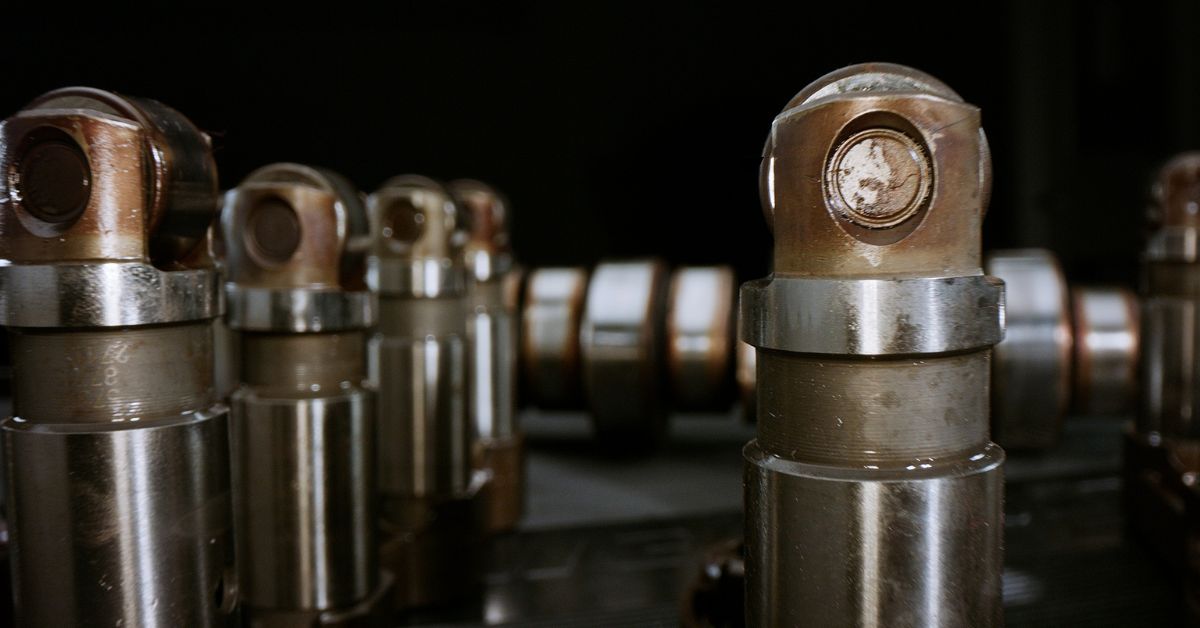
The unmistakable rumble of a HEMI engine is part of its appeal—but when that rumble is interrupted by a rhythmic tapping or clicking, it gets your attention fast. For Ram, Dodge, and Jeep owners, that sound is often referred to as HEMI lifter tick, most commonly associated with the 5.7L and 6.4L HEMI.
While not every tick means imminent failure, persistent lifter noise is never random. Understanding what causes HEMI lifter tick, how to identify it, and when to act can prevent a minor lubrication issue from turning into major valvetrain damage.
What Does HEMI Lifter Tick Sound Like?
A HEMI ticking noise typically presents as a light, consistent tapping or clicking sound originating from the top end of the engine, the valvetrain. Owners often notice 5.7/6.4 HEMI lifter noise during cold starts, at idle or under light throttle conditions. Paying close attention to the sound and its location is vital for accurate diagnosis.
To accurately identify it, it’s crucial to understand how the HEMI lifter tick differs from other engine noises:
-
Fuel injectors make a sharper, higher-pitched click.
-
Exhaust leaks sound like they’re coming from outside the engine and often change with temperature.
-
Rod knock makes a far deeper, heavier thud or knocking sound, often accompanied by vibration.
Lifter tick is internal, rhythmic, and tied closely to engine speed—making accurate diagnosis the first critical step.
What Is the MDS System in HEMI Engines?
Designed to improve fuel economy, the MDS is a key feature in many modern HEMI engines, including the 5.7L and 6.4L. This technology allows the engine to deactivate half its cylinders under light load, essentially running as a V4. Cylinder deactivation is achieved through specialized MDS lifters, which are more intricate and complex than standard hydraulic lifters.
Cylinder deactivation is accomplished through specialized MDS hydraulic lifters. These lifters use oil‑controlled locking pins to prevent valves from opening when a cylinder is deactivated. Compared to standard hydraulic lifters, MDS lifters are more complex and operate with tighter tolerances—making them highly dependent on oil quality, cleanliness, and stable oil pressure. While beneficial for fuel efficiency, the design makes MDS lifters sensitive to oil condition.
Why MDS Causes Lifter Tick in HEMI Engines
MDS lifters rely heavily on precise oil pressure and impeccable oil cleanliness to function correctly. Inside each MDS lifter are oil-controlled locking pins that must engage and disengage flawlessly to activate or deactivate a cylinder. When buildup restricts oil flow, these delicate locking pins can stick or fail to operate as intended.
Pin malfunctions create excess play in the valvetrain, resulting in the characteristic HEMI ticking noise. This MDS lifter tick is an early indicator of malfunction, signaling that the specialized lifters are not receiving or maintaining the necessary oil pressure.
5 Common Causes of HEMI Lifter Tick
Understanding the unique sensitivities of MDS-equipped HEMI engines helps pinpoint the cause of the noise. Five frequent culprits behind 5.7 HEMI engine tick are:
-
Oil flow restriction to MDS lifters: Sludge and varnish deposits are major contributors. These contaminants can partially block the tiny oil passages that supply the MDS lifters. When they don’t receive adequate, consistent oil pressure, their internal pins can’t properly engage, leading to a distinct clicking. This ticking often becomes noticeable at idle, when oil pressure is naturally lowest.
-
AFM/DOD lifter design issues: AFM/DOD lifters are designed to deactivate cylinders, making them more complex than standard lifters and highly sensitive to oil quality and cleanliness. Problems often begin as an AFM lifter tick or a DOD lifter failure as oil pressure fluctuates or contaminants build up.
-
Dirty or degraded engine oil: Extended oil change intervals or using lower-quality oil can lead to the breakdown of the oil’s properties. The resulting accumulation of varnish and carbon deposits within the lifters and oil passages hinders their hydraulic function. The role of premium quality oil in maintaining lifter health cannot be overstated for HEMI engines.
-
Stops/starts and oil drain-down: Modern driving habits can contribute to intermittent HEMI engine ticking. During pauses, oil can drain away from the lifters, requiring a moment for re-pressurization upon restart, which may produce a temporary tick.
-
Early-stage MDS lifter wear: Wear on the lifter mechanisms can begin long before total failure, and the ticking sound is your HEMI’s early warning sign, indicating increased friction or a slight loss of hydraulic integrity. Take prompt action to prevent the situation from escalating.
Is HEMI Lifter Tick the Same as HEMI Lifter Failure?
A HEMI lifter tick is not the same as outright mechanical failure, but it is often a symptom of the initial stages of lifter failure. Many HEMI MDS lifter failures start with the ticking noise, which is an immediate red flag. Ignoring it can quickly escalate to serious issues such as collapsed lifters, camshaft damage and expensive engine repairs.
Can You Drive With a HEMI Lifter Tick?
Driving with a HEMI lifter tick is not advisable for the long term. While a faint, intermittent tick might not immediately immobilize your vehicle, continuing to operate the engine with inadequate lifter lubrication or function will worsen wear on the lifters and, potentially, the camshaft. Addressing oil flow and lubrication issues early prevents a minor tick escalation to serious valvetrain damage or full HEMI MDS lifter failure.
Proven Ways to Address HEMI Lifter Tick
Effective HEMI lifter tick fixes tackle the root cause of the issue.
Three proven approaches are to:
-
Improve oil quality and flow: Regularly checking oil levels and performing timely oil changes with the correct synthetic oil viscosity and a high-quality filter are paramount for MDS lifter health.
-
Clean deposits from lifters and oil passages: Noninvasive cleaning with specialized additives can dissolve varnish and sludge, especially when HEMI ticking noise has just appeared, restoring lifter function.
-
Reduce friction and prevent future wear: Providing robust lubrication and friction reduction protects MDS lifters and camshaft lobes from future wear, contributing to long-term engine health.
When an Oil Additive Makes Sense for HEMI Lifter Tick
Oil additives are not a repair for broken parts. For HEMI engine lifter noise caused by dirty or sticking lifters, a high-quality, targeted oil additive can be a highly effective solution. These additives are engineered to:
-
Clean varnish and carbon deposits from lifter mechanisms and oil passages.
-
Improve oil flow to critical valvetrain components.
-
Protect high-wear valvetrain components.
These solutions target lubrication-related issues and are not a remedy for pre existing mechanical damage. While they do restore proper hydraulic function, they can’t fix broken parts.
A Purpose-Built Solution for HEMI MDS Lifter Tick
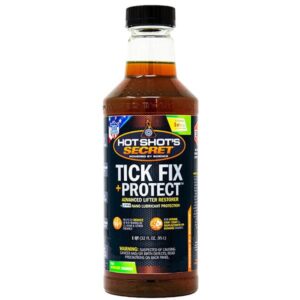
For a proactive HEMI lifter tick fix, Hot Shot’s Secret offers Tick Fix + Protect™. This advanced formulation is specifically designed for gasoline hydraulic lifters, making it an ideal ally for MDS-equipped HEMI engines. Tick Fix + Protect™ works by diligently cleaning sludge and varnish from lifters and valvetrain components, restoring function and adding a crucial protective layer, often preventing the need for costly teardown or mechanical repair.
When HEMI Lifter Tick Requires Mechanical Repair
While additives provide a powerful first line of defense, there are times when HEMI lifter failure symptoms demand mechanical repair. Signs such as severe misfires and severe performance loss can indicate a completely collapsed lifter. Additionally, if the ticking persists and worsens significantly despite proper additive use and oil maintenance, the lifter itself or the camshaft may have sustained irreversible damage.
These signals indicate that the lifters, and potentially the camshaft, require replacement — an intervention that no additive can fix. Trust your mechanic’s expert assessment in these more serious situations.
Don’t Ignore HEMI Lifter Tick
A persistent HEMI ticking noise is your engine’s early warning system. Many causes are preventable—or correctable—when addressed promptly.
By understanding what the noise means and taking informed action, you can protect your engine, reduce repair costs, and keep your HEMI delivering the power and reliability it was built for.For a persistent HEMI lifter tick, try Hot Shot’s Secret Tick Fix + Protect™ and explore our range of scientifically backed products that come with a money-back guarantee. Optimize your engine performance, so your HEMI continues to deliver the powerful, quiet rumble you love.