
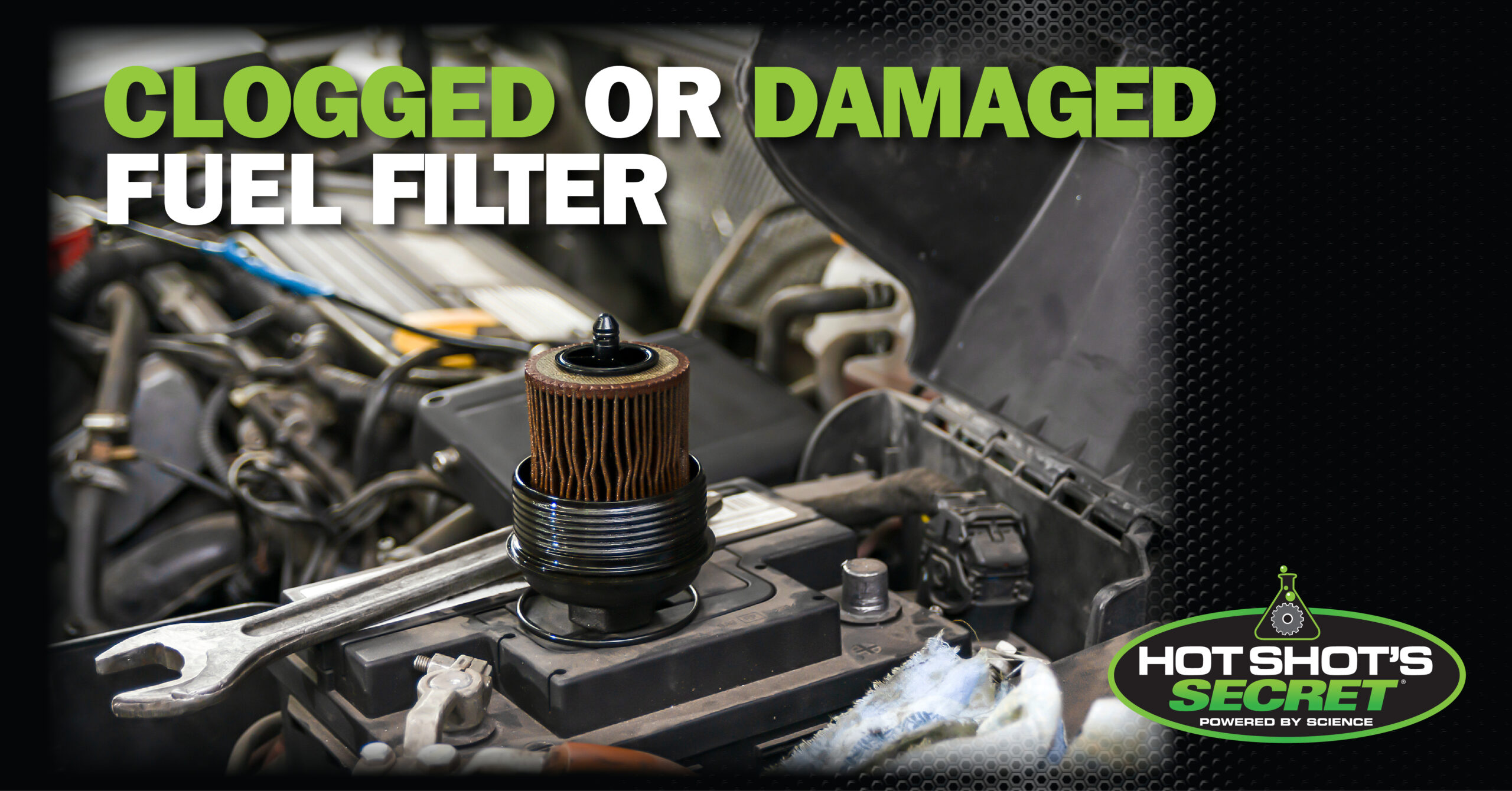
A fuel filter traps dirt, rust and debris before they reach fuel injectors. When clogged, it restricts fuel flow and causes performance issues that escalate into costly repairs.
What Are the Symptoms of a Bad Fuel Filter?
The most common symptoms of a bad fuel filter include hard starting, engine stalling, loss of power under load, rough idling, poor fuel economy and low fuel pressure. A clogged fuel filter restricts fuel flow to the engine, which can cause hesitation, sputtering or even prevent the engine from starting.
Many modern gasoline fuel injection systems operate within relatively narrow pressure ranges, often around 30 to 80 psi, depending on the engine design. In modern diesel engines, fuel is delivered to the injection system at modest supply pressure, then amplified by a high‑pressure pump to common‑rail pressures that can exceed 30,000 psi depending on operating conditions. When a clogged filter drops pressure below specifications, the engine control unit may adjust fuel trims to compensate, though this typically addresses symptoms rather than the underlying restriction.
Signs of a Bad Fuel Filter
Keep an eye out for the following performance indicators.
Hard Starting
Fuel pressure bleeds down through the restricted filter when the engine is off, forcing the pump to work longer to rebuild pressure. You’ll hear extended cranking before the engine starts.
Stalling at Idle
Insufficient fuel volume at low RPM causes the engine to stumble or stall when stopped. The filter can’t maintain the steady flow needed for stable idling.
Power Loss Under Acceleration
The filter can’t deliver the increased fuel volume needed during hard acceleration, hill climbs or towing. You’ll feel hesitation or complete power loss under load.
Rough Idle or Misfires
Inconsistent fuel delivery creates lean conditions, causing uneven RPM and misfires. You’ll feel jerking, hear popping or notice vibrations.
Poor Fuel Economy
The ECU compensates for low pressure by enriching the mixture, burning more fuel to maintain the same power output. This shows up as worse gas mileage.
Check Engine Light
Fuel pressure sensors detect pressure drops and trigger codes for low fuel rail pressure or lean-running conditions.
Failure to Start
Complete filter blockage prevents fuel from reaching the injectors. The starter will crank, but the engine won’t catch.
How to Diagnose a Bad Fuel Filter
Professional diagnostics include fuel pressure testing, fuel volume testing and scan tool monitoring of fuel trims and pressure data. Service history showing no replacement in 30,000+ miles or visible contamination in clear housings confirms replacement is needed.
What Happens If You Ignore a Clogged Fuel Filter?
Think of your fuel filter like a coffee filter — once it’s clogged with grounds, the flow slows to a trickle. Your engine’s filter works the same way, except the consequences are a lot more expensive than a weak cup of coffee.
A clogged filter can force the fuel pump to work harder, increasing the risk of premature pump wear or failure, which can result in repairs that may cost hundreds to over a thousand dollars depending on the vehicle. Restricted flow also causes lean combustion, increasing temperatures that damage injectors, burn valves and overheat catalytic converters.
Modern high-pressure fuel systems operate at pressures exceeding 2,000 psi. Even microscopic particles that slip past a degraded filter can score pumps and injectors. A $30 filter replacement becomes thousands in engine damage.
Common Symptoms of a Clogged Diesel Fuel Filter
Diesel fuel often has more impurities than gasoline, such as water and asphaltenes. Because of this, diesel filtration systems often come in two parts. A primary and a secondary filter ensure the engine burns only the cleanest fuel.
The primary filter’s role is to remove particles larger than 10 microns. The second filter is located near the engine, after the fuel transfer pump, and catches anything too small that the first filter could not collect before the fuel enters the fuel injectors.
Here are some bad diesel filter symptoms that might suggest a clog:
- Hard cold starts: Especially below 32°F when fuel gels.
- Severe power loss under load: Noticeable during towing or climbing grades.
- Turbo lag: Sluggish turbocharger response.
- Excessive smoke: Black smoke indicates rich conditions; white smoke suggests incomplete combustion.
- Surging at highway speeds: Inconsistent power delivery.
- Water contamination warnings: Dashboard alerts indicating water in the system.
Modern common-rail diesel systems operating above 30,000 psi are extremely vulnerable. Water or debris that bypasses a failing filter can cause injector failure costing $3,000 to $8,000. Replace filters at recommended intervals.
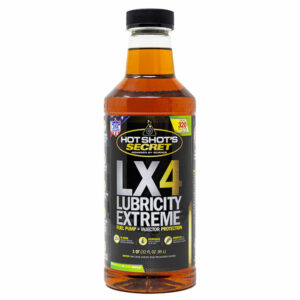
Protect Your Fuel System With Hot Shot’s Secret
Changes in modern fuels can increase the risk of contamination under certain conditions. Diesel includes biodiesel blends that reduce lubricity, and ultra-low-sulfur diesel has stripped away the natural lubricating properties.
High-quality fuel treatments clean injectors, improve lubricity, disperse water and reduce deposit formation. Everyday Diesel Treatment provides 6-in-1 protection with every fill-up. Diesel Extreme delivers deep cleaning and a cetane boost. Gasoline Extreme restores efficiency in gas engines. LX4 Lubricity Extreme provides concentrated protection for high-pressure fuel systems.
If you’re experiencing symptoms, replace the filter first — then use Hot Shot’s Secret treatments to prevent future buildup. Our fuel treatments are Powered By Science and backed by the best money-back guarantee in the industry, and most orders over $49 ship free. Contact us to find the right solution, or explore our diesel additives and gasoline additives.