
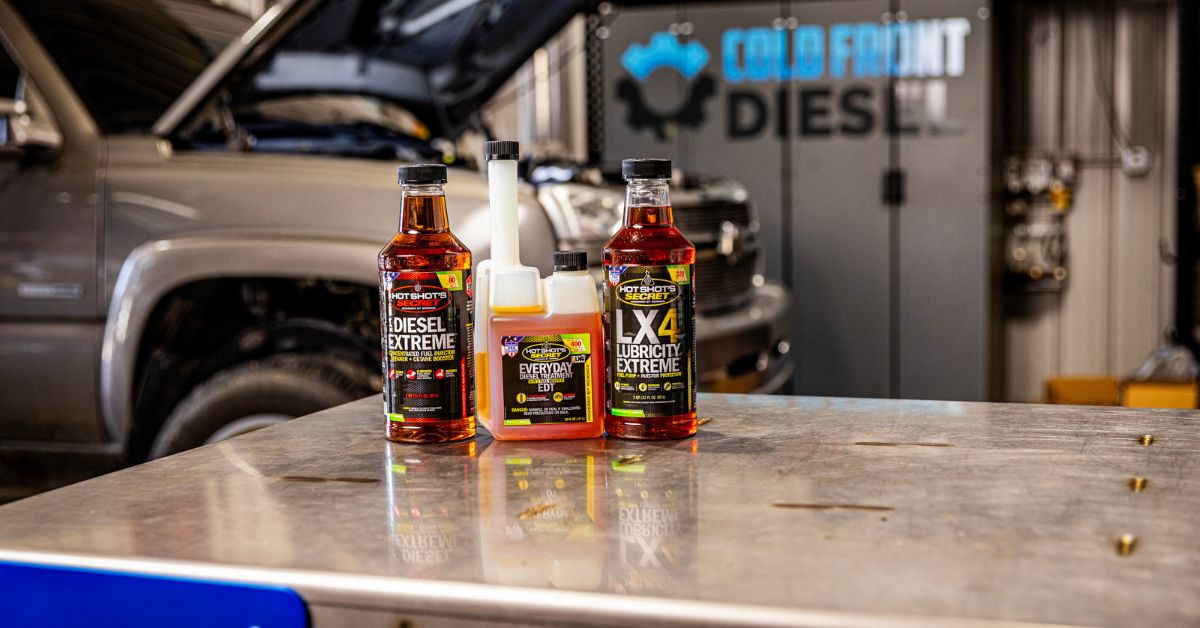
Many Class 8 truck drivers wonder whether budget options like 2-stroke oil or automatic transmission fluid (ATF) can match the performance of commercial diesel additives. If you operate a Volvo D13, Detroit DD15, PACCAR MX-13 or Cummins X15/ISX engine with modern emissions equipment, understanding what actually protects your fuel system can save thousands in repair …

As your diesel vehicle ages and puts on more miles, it only makes sense that its fuel efficiency will begin to drop sharply, right? Actually, miles per gallon (MPG) is a measurement used to determine your vehicle’s fuel economy. It reveals how many miles a vehicle can travel with a single gallon of fuel. A …

Whether you’re hauling a camper or carrying supplies, your diesel vehicle is designed to handle heavy loads. However, most modern diesel engines have highly sensitive, high-pressure fuel systems that are vulnerable to contamination and have lubricity issues. Fuel system maintenance remains the best way to enhance performance and longevity, while avoiding catastrophic failures and multi-thousand-dollar …
Declines in engine performance could stem from your fuel. Modern ultra-low sulfur diesel (ULSD) strips away the lubricity and affects the cetane that diesel engines depend on, and standard pump gasoline leaves behind carbon deposits on injectors, valves and pistons with every fill-up. Fuel injector deposits can impact fuel economy, and burning more fuel costs …

Most diesel drivers operate under a simple assumption — if it’s at the pump, it meets spec. They trust the gas station to sell quality fuel, but what’s available at the pump may not meet their standards. The legal minimum for diesel fuel quality and what your engine actually needs are different. Federal law sets …

Your truck starts fine. The engine runs. You fill up, drive and enjoy consistent engine performance. If everything seems fine now, why add anything to the tank? Rather than creating immediate problems, skipping fuel additives means effects accumulate slowly, over thousands of miles, in ways you won’t notice until the damage is already done. By …

If your diesel seems sluggish, runs rough or shows engine codes, it’s probably running lean. By design, diesel engines typically run with excess air, but if fuel delivery can’t keep up, that extra air can spell performance problems and even long-term engine damage. When the air-to-fuel ratio is too lean, real engine problems begin to …
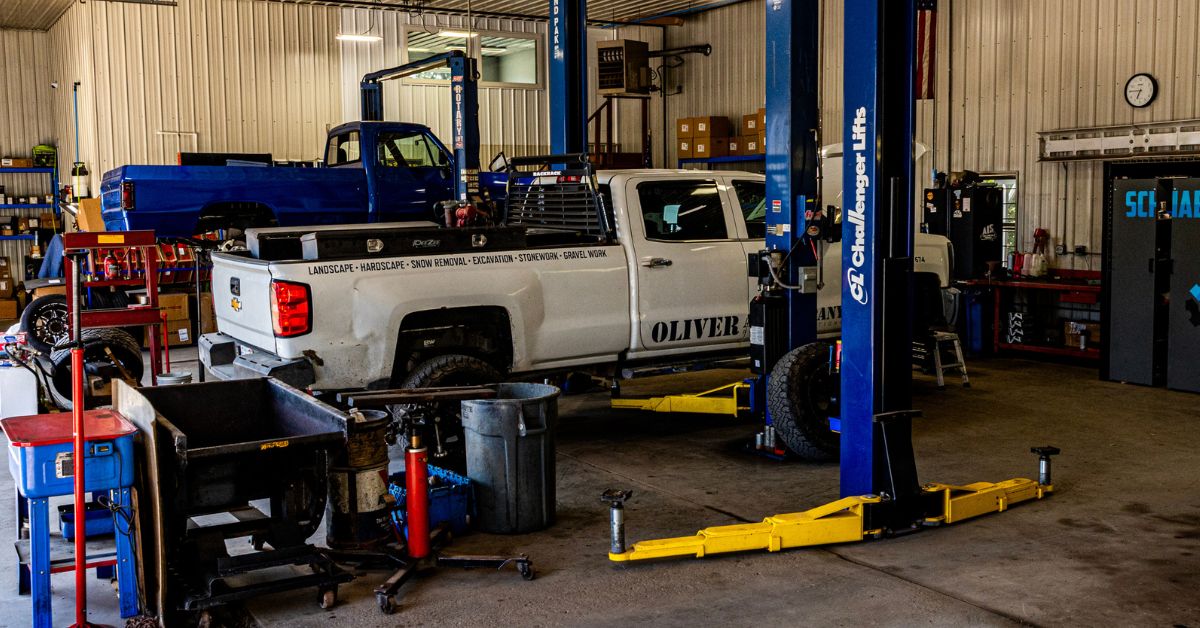
Billowing white smoke from your diesel exhaust signals unburned fuel, coolant intrusion or combustion failure. Left unaddressed, your repair bill could climb to four figures. What Does White Smoke Indicate? White smoke appears when combustion temperatures drop too low or foreign fluids are present in your cylinders. Think of it as your engine waving a …
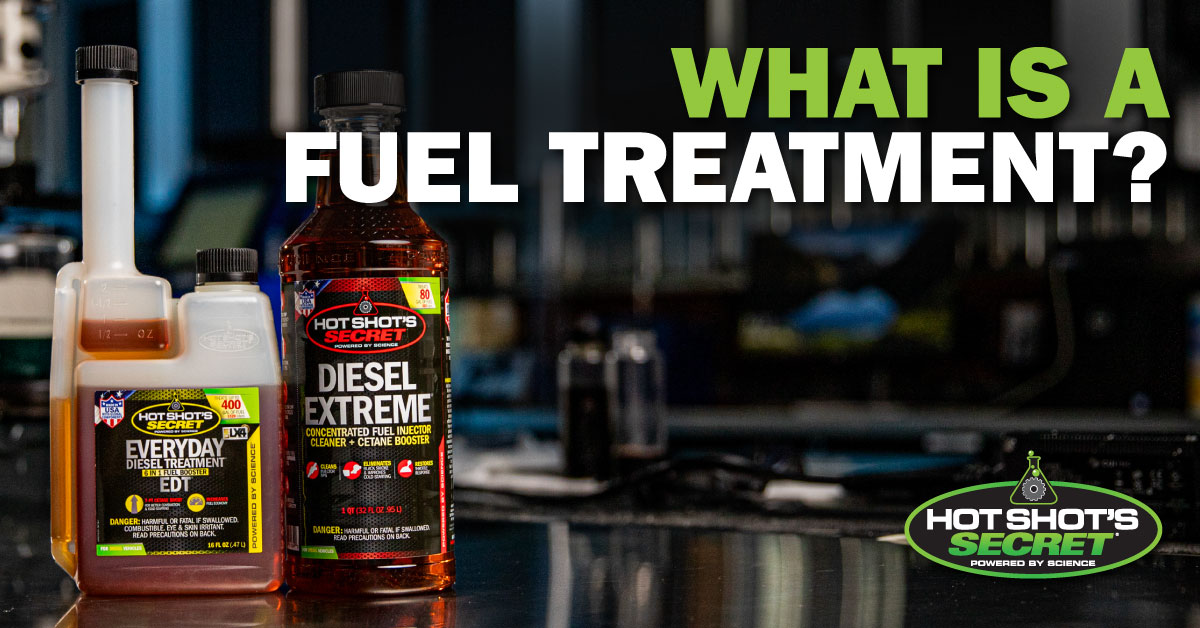
Modern fuel is not what it used to be. Ultra-low sulfur diesel offers less lubrication than older formulations, while ethanol-blended gasoline leaves deposits that older engines never faced. The result? Injectors clog, fuel systems corrode and engines lose power over time. A fuel treatment addresses these issues by cleaning internal components, restoring lubricity and improving …