
Cold weather places added demands on diesel engines—from fuel flow challenges to thicker lubricants and harder starts. Taking a proactive, science‑based approach to winter preparation helps maintain reliability, protect critical components, and reduce the risk of downtime when temperatures drop.
Below, we break down practical, proven cold‑weather diesel maintenance considerations—covering fuel, oil, cooling systems, batteries, and preventive steps—so your engine is ready to perform when winter is at its toughest.
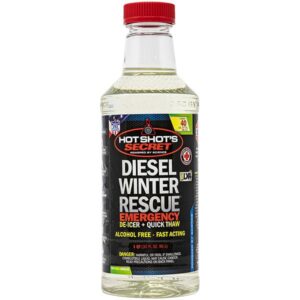
How Cold Weather Affects Diesel Engines
Diesel engines are durable and efficient, but cold temperatures can create operating challenges that affect starting and performance.
Common issues for diesel engines in the winter include:
- Fuel gelling
- Wax formation
- Thick oil affecting engine startup
- Lower battery performance
- Cold-start issues
Risks of Not Winterizing
If you depend on your diesel to start reliably and work when you need it most, winterizing is an important step in protecting performance and dependability. The biggest risks of skipping winter prep include hard starts or no-start conditions, fuel gelling, and restricted fuel flow from frozen or plugged filters and lines.
Cold-weather fuel issues can also increase stress on critical components like injectors, high-pressure fuel pumps, and turbochargers. Poor combustion during cold starts accelerates engine wear and can contribute to DPF and emissions system problems—especially with increased idling and incomplete regeneration cycles.
Left unaddressed, these issues can reduce performance, increase long‑term wear, and raise the risk of downtime when you need your equipment most.
Preparing Diesel Fuel for Winter
You can winterize your diesel engine by making thoughtful decisions about your vehicle’s fuel system.
Understanding Fuel Gelling and Wax Formation
Fuel gelling is one of the biggest concerns for diesel engines in the winter.
When the temperature drops, wax crystals begin to form in the fuel, which can thicken it enough to restrict flow. If the fuel thickens, it can’t get around your internal components, causing fuel starvation. This issue leads to engine start failures, hard starting and the engine shutting down.
Two points are essential to monitoring fuel gelling and wax formation:
- Cloud point: This is the temperature at which wax crystals first begin to form in diesel fuel. At this stage, the fuel may appear hazy, and those early wax crystals can start restricting fuel flow—often leading to reduced performance and the first signs of filter loading.
- Cold filter plugging point (CFPP): This is the lowest temperature at which diesel fuel will still pass through a standardized fuel filter. Once temperatures drop below the CFPP, wax crystals can plug the fuel filter, starving the engine of fuel and resulting in hard starts, loss of power, or a complete no-start condition.
Choosing the Right Winter Diesel Fuel
When choosing winter diesel fuel, look for fuel that’s seasonally blended or specifically treated for cold‑weather operability. When looking for the perfect fuel to protect your diesel engine in winter, you can opt for seasonal blends that contain additives specifically formulated to prevent fuel gelling and cold starts.
Choosing the right fuel often involves considering your performance expectations, the temperature, any additives and other requirements you have for your vehicle. If you are unsure which option will be best, speak to a professional to understand the benefits and downsides of each blend.
Using Fuel Additives to Prevent Gelling
An important part of diesel engine winter preparation is using a fuel additive designed for cold‑weather operation. While basic anti‑gels focus primarily on limiting wax crystal formation, a more complete winter solution addresses multiple fuel‑related challenges that show up when temperatures drop.
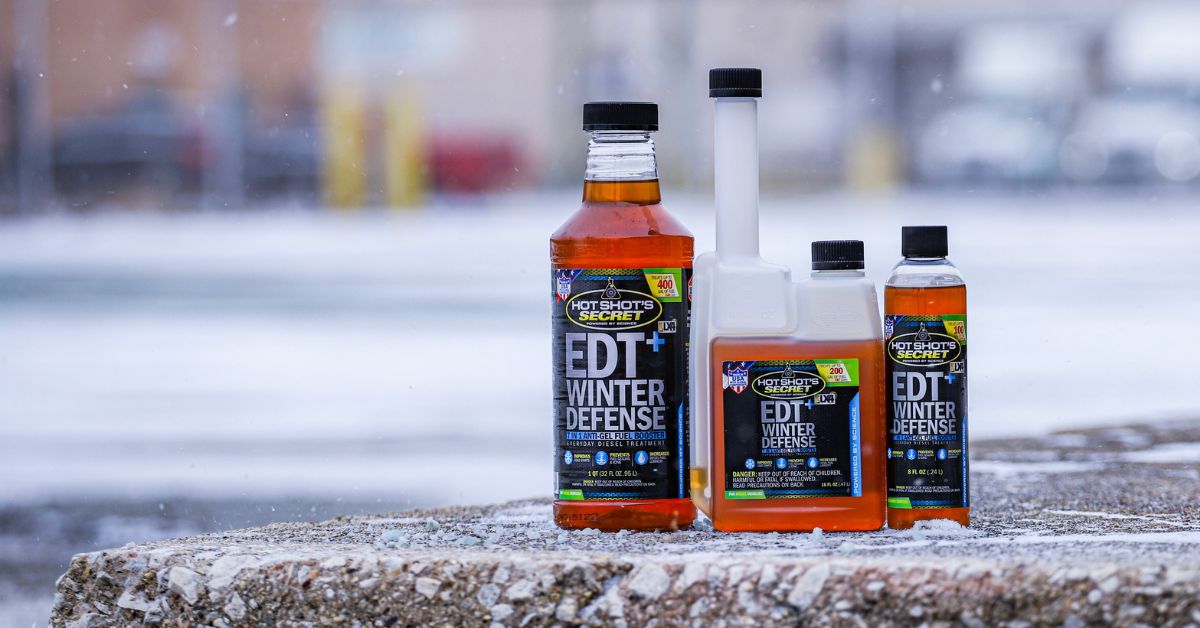
Hot Shot’s Secret’s EDT+ Winter Defense is more than a traditional anti‑gel. Its 7‑in‑1 formula is designed to help improve cold‑weather operability by limiting wax crystal buildup, supporting fuel lubricity, and promoting better winter operability. In addition, EDT+ Winter Defense includes a cetane boost to support more reliable cold starts and smoother combustion, along with moisture‑handling chemistry to help manage water that can accumulate in diesel fuel during winter months.
By using a multi‑function winter additive proactively, you’re better prepared to maintain performance, protect fuel system components, and keep your diesel running reliably throughout the cold season.
Fuel Tank and Line Considerations
Condensation in the fuel line and fuel tank is another risk for diesel engines. To protect your diesel engine in winter, consider keeping your tanks full to reduce condensation in the empty chambers of the tank. Maintaining higher fuel levels in cold temperatures can also help prevent frozen fuel lines.
Regularly inspect the fuel filters for any signs of clogging due to fuel gelling. If you need to replace components, you can do so early, before finding out through an engine failure.
Winterizing Engine Oil and Lubrication Systems
Keeping your engine oil in good condition is necessary for protecting your vehicle throughout the year.
Choosing the Right Oil Viscosity
As for choosing oil grades for winter, a product that has been treated for winter by suppliers is the most common. By selecting the right viscosity for your engine and making necessary adjustments with additives, you can avoid the risk of high-viscosity oil during the coldest season.
Using Oil Additives for Diesel Engines
In addition to preparing your fuel system for winter, engine oil protection plays a critical role in cold‑weather reliability. Cold starts, thicker oil, and increased load during warm‑up can place added stress on internal engine components—especially in high‑mileage or hard‑working diesel engines.
Oil additives formulated with Hot Shot’s Secret® FR3® friction‑reducing technology are designed to help strengthen the oil’s protective film, reduce (dry starts) metal‑to‑metal contact, and support smoother operation during cold starts. By enhancing lubricity and film strength protection when temperatures drop, FR3‑based oil additives provide an added layer of defense to help maintain engine efficiency and long‑term durability throughout the winter season.
Checking and Flushing the Oil System
If you’re due for an oil change, ensure you do it before winter hits. A top tip is to remove all sludge from your tank, as this can thicken due to wax formation and fuel gelling in winter.
Cooling System and Antifreeze Preparation
You’ll need to prepare your cooling system, too.
Checking Coolant Levels and Quality
When preparing your cooling system for winter, ensure that you are using the correct mixture of antifreeze and water. It is also important to choose diesel-safe antifreeze. This information will be clearly labeled on the bottle, but if you are unsure, you should always speak to a professional.
Inspecting Hoses and Radiator
Leaks and weak hoses can cause significant trouble during your winter preparation. To avoid internal freezes and issues, inspect your vehicle for any leaks or breaks in your internal components before freeze temperatures hit.
Battery and Electrical System Care
Winter is hard on batteries. Make sure you set yourself up for a reliable start.
Checking Battery Health
Battery performance is critical for your vehicle, and without it, your diesel engine simply won’t start. In the winter, cold weather has a significant impact on battery performance, so it is vital that you check your battery health.
Test your voltage and cranking amps ahead of time, so you don’t get caught off guard.
Maintaining Connections
Everything needs to be connected for your vehicle to run. Although connections are often overlooked in the traditional diesel engine winter checklist, you can get ahead by cleaning all terminals and ensuring secure connections before the cold arrives.
Using Battery Heaters or Maintainers
You may want to consider using battery heaters or maintainers in the extreme cold. When properly installed ahead of time, battery heaters can help prevent frozen or weak batteries.
Pre-Season Inspection and Maintenance Checklist
Fall is the perfect time to complete an inspection and checklist that ensures your vehicle is ready for winter.
Visual Inspection of Engine Components
Complete a visual inspection of your engine components to ensure everything is as it should be.
Here’s what you need to check:
- Internal belts
- Hoses and lines
- Filters
- Turbocharger
Fuel, Oil and Cooling Systems
As outlined above, ensure that you have the right fuel, oil, cooling systems and heaters equipped before the cold weather arrives. You will also need to ensure that the antifreeze levels are correct before you get everything working.
Emergency Winter Kit
Keep an emergency winter kit that prepares you for any unexpected issues. It should include:
- Spare filters
- Fuel additives
- Tow straps
- Hand warmers
- A flashlight
You’ll also need to keep a personal backup of all the things you need for on-the-road diesel emergencies.
Protect Your Engine This Winter
Winter conditions don’t have to compromise diesel performance. With the right preparation—and products developed through research, testing, and real‑world use—you can help protect fuel systems, support cold starts, and keep equipment operating reliably all season long.
Explore Hot Shot’s Secret Diesel EDT+ Winter Defense to support cold‑weather operation with solutions engineered for diesel engines that work year‑round.