
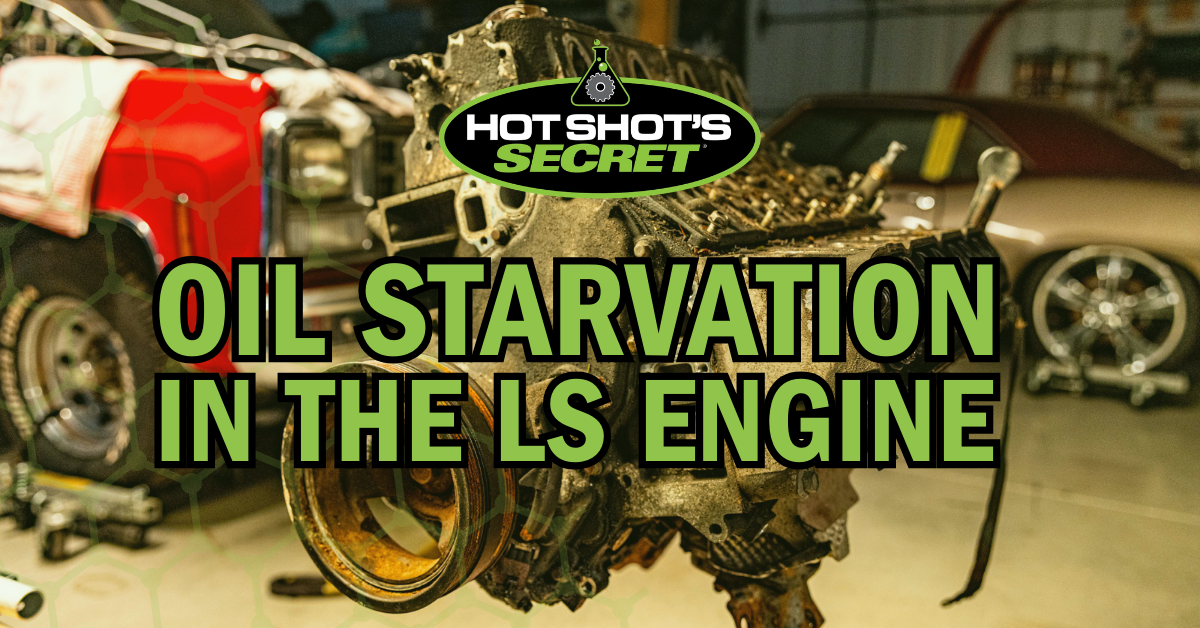
LS engines have a legendary reputation for raw power and enduring durability. However, even these robust systems have a vulnerability. Oil starvation is one of the most misunderstood and damaging LS issues. Often manifesting first as that familiar lifter tick, oil starvation in LS engines can begin causing internal wear long before major engine damage becomes obvious.
This guide clarifies what LS oil starvation means, why LS engines are particularly susceptible, early warning signs and proven prevention strategies to safeguard your investment — before that small tick turns into a catastrophic failure.
What Is Oil Starvation?
Oil starvation in LS engines occurs when engine components, particularly the valvetrain, don’t receive an adequate and consistent supply of lubricating oil. This issue isn’t always about a low oil level — it’s a failure in oil delivery. Even a brief interruption in the pressurized oil flow can inflict significant damage due to metal-on-metal friction. Hydraulic lifters and cam lobes rely on a constant oil film and are sensitive to a lack of lubrication, making them early victims of LS engine oil pressure loss.
Why LS Engines Are Sensitive to Oil Starvation
The architecture of LS engines, while brilliant for performance, makes them sensitive to LS oiling problems. Their design incorporates tight internal tolerances and a valvetrain with high valve spring pressures. This combination demands a continuous supply of pressurized oil.
In this configuration, hydraulic lifters, with their intricate internal passages, are frequently the first components to suffer from insufficient oil delivery. The demands of modern driving conditions, including aggressive driving or sustained high RPMs, can exacerbate oil delivery challenges, increasing the risk of oil starvation in LS engines.
Common Causes of Oil Starvation in LS Engines
Understanding how LS oil starvation occurs is key to preventing it.
These are the most frequent culprits behind these LS oiling problems:
-
Oil sludge and deposit buildup: Over time, especially with extended drain intervals or severe operating conditions. Varnish and sludge deposits can accumulate, even when synthetic oils are used. These contaminants restrict the tiny oil channels, particularly those feeding the hydraulic lifters. Such blockages impede oil flow, leading to intermittent lifter collapse and the associated LS lifter tick.
-
Inadequate oil pressure at idle: Many LS engines struggle to maintain oil pressure, especially at lower RPMs or when the engine is hot and the oil thins out. If oil pressure drops below a critical threshold at idle, lifters can become starved for lubrication, causing a ticking noise to appear or worsen.
-
AFM/DOD oil control demands: Active fuel management (AFM) and displacement on demand (DOD) systems, common in many LS variants, use specialized lifters and intricate oil routing to deactivate cylinders. These lifters rely on oil flow through dedicated galleries. Any disruption or reduction in this flow impacts AFM lifter function, making them vulnerable to oil starvation LS engine issues.
-
Oil pump wear or pressure regulation issues: The engine’s oil pump can undergo wear, reducing its efficiency. Issues with the pressure relief/bypass valve can prevent the pump from maintaining consistent pressure. Such LS engine oil pressure loss can result in insufficient oil delivery, particularly under demanding conditions and contributes to widespread LS oiling problems.
-
High RPM or performance driving conditions: Aggressive driving, track use, or sustained high RPMs create conditions for oil starvation in LS engines. During maneuvers, engine oil can aerate or slosh away from the oil pickup tube, also known as pickup uncovering. Even brief moments of starvation under high-stress conditions can inflict lasting damage to critical components.
Symptoms of Oil Starvation in LS Engines
Recognizing the early indicators of LS oil starvation is crucial. Pay close attention to these warning signs:
-
Lifter tick or valvetrain noise: LS lifter tick is often the first symptom of insufficient oil delivery to the valvetrain. The noise often changes with engine temperature, RPM or engine load, reflecting inconsistencies in oil flow.
-
Fluctuating or low oil pressure readings: Your oil pressure gauge provides direct feedback about what’s going on below the hood. A noticeable drop in pressure, especially at idle or during driving, should be taken seriously. Ignoring LS engine oil pressure loss can lead to irreversible damage.
-
Rough idle and performance loss: When components like lifters are starved of oil, they cannot function correctly, leading to inconsistent valve timing. This problem results in a rough or unstable idle, noticeable power loss or sluggish acceleration. These performance issues indicate underlying LS valvetrain failure or compromised combustion.
How Oil Starvation Leads to LS Lifter Failure
Untreated LS oil starvation quickly escalates into LS lifter failure. Without adequate lubrication, the lifter’s roller and cam lobe experience metal-on-metal contact, which wears down both surfaces. This friction produces microscopic metal debris that contaminates the engine oil, accelerating wear throughout the engine.
Persistent oil starvation in LS engines prevents lifters from functioning properly, often leading to their collapse and severe camshaft damage. Repair costs for LS lifter failure involving camshaft replacement can be substantial.
Early vs. Advanced Oil Starvation Damage
Understanding the two stages of oil starvation damage helps facilitate the appropriate intervention method.
-
Early-stage oil starvation: Early stages are characterized by an intermittent LS lifter tick or valvetrain noise, often heard during startup or at idle. There is no noticeable loss in engine performance or drivability.
-
Advanced oil starvation damage: Identifiable by persistent and loud valvetrain noise, sometimes escalating to a metallic knocking. You may also notice signs of collapsed lifters or visible damage to the valvetrain, such as severe misfires or a check engine light (CEL). Other signs that the issue is advanced and requires mechanical repair include significant and persistent loss of engine power or a rough-running engine.
How to Prevent Oil Starvation in LS Engines
Preventing LS oil starvation is crucial for long-term engine health.
Here are essential strategies to follow:
-
Maintain clean, free-flowing oil: Oil cleanliness is paramount. Regular oil changes with high-quality synthetic oil and a premium filter are nonnegotiable. Consider consistent oil analysis to monitor contamination and degradation.
-
Optimize oil flow to lifters: Ensure your engine’s internal passages, especially those feeding the lifters, remain clear of deposits. You can use specialized oil additives to clean and maintain these micro-passages.
-
Protect against friction and wear: Enhanced boundary lubrication properties in your engine oil create a resilient film that protects metal surfaces, even under high stress. Ensuring proper lubrication reduces friction, which can accelerate damage during moments of compromised oil delivery.
Can Oil Additives Help Prevent LS Oil Starvation Damage?
There are oil additives available that effectively prevent and mitigate LS oil starvation damage by:
-
Cleaning micro-passages: Dissolving varnish and sludge that restricts oil flow to lifters.
-
Improving oil film strength: Enhancing lubrication to protect components even under thinning oil conditions.
-
Supporting hydraulic lifter function: Ensuring lifters can “pump up” correctly with adequate oil pressure.
It’s crucial to choose additives that support oil flow and function, rather than those that simply thicken the oil or mask noise, which could worsen LS oiling problems.
A Targeted Approach to Protect LS Valvetrains
Hot Shot’s Secret offers Tick Fix + Protect™, a purpose-built solution designed to address LS oiling problems by protecting LS valvetrains. This lifter-focused solution is ideal for LS engines, especially those equipped with AFM/DOD systems, which are highly susceptible to oil starvation. Tick Fix + Protect™ is formulated to help clean micro‑passages, support oil flow and promote proper valvetrain function, providing proactive protection against LS lifter failure before it escalates.
When Oil Starvation Requires Mechanical Repair
While Tick Fix + Protect™ and diligent maintenance are powerful preventive tools, there comes a point when LS oil starvation leads to irreversible mechanical damage that no additive can fix. Signs of such damage include loud metallic knocking, visible camshaft scoring or severely collapsed lifters even after additive treatment and oil changes. In these cases, mechanical repair, involving lifter, camshaft or even engine replacement, is unavoidable.
Take Action — Oil Starvation Is Preventable
Oil starvation in LS engines is often a gradual process rather than a sudden event. Responding to early warning signs and making informed maintenance decisions quickly can prevent costly damage. Hot Shot’s Secret Hot Shot’s Secret offers products developed through extensive testing and real‑world validation with a money-back guarantee so you can safeguard your LS engine’s valvetrain from oil starvation and ensure its power for years to come.
Order Hot Shot’s Secret Tick Fix + Protect™ now or contact our team to learn more!