
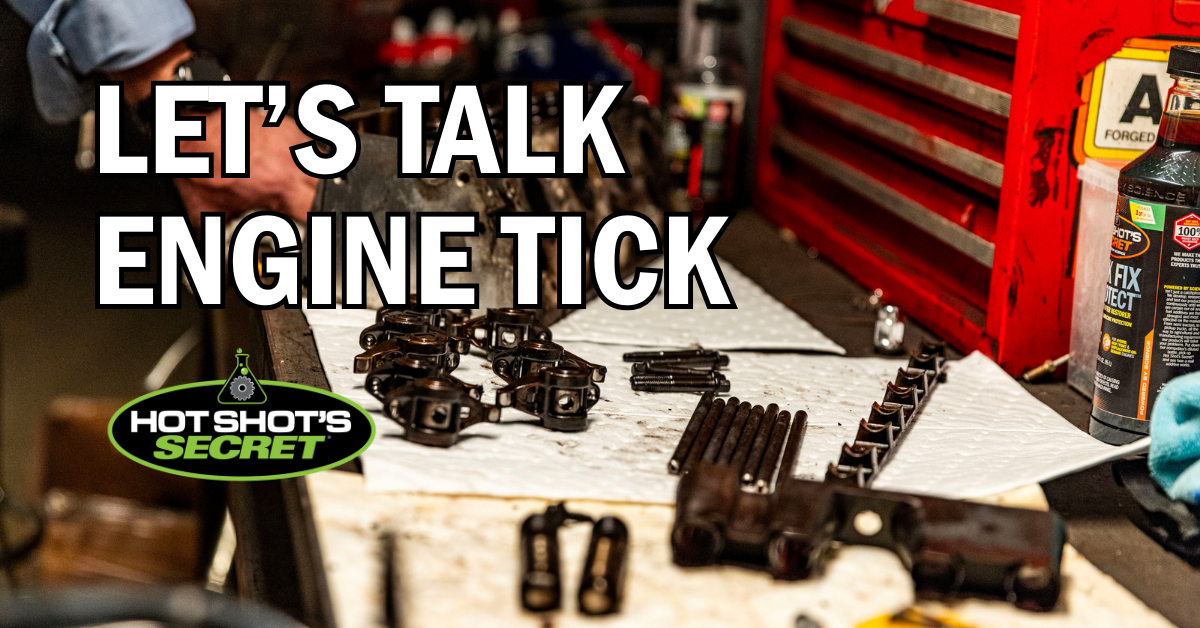
Unfamiliar engine noises can quickly turn any drive into a source of anxiety. Two common yet critically different sounds are lifter tick and rod knock. While one might be a mere nuisance, the other demands immediate attention.
Learning to distinguish between a somewhat harmless ticking and potentially catastrophic rod knock saves time, money and may prevent irreversible engine damage. This guide provides clear diagnostic cues to understand how to tell rod knock from a simple tick, often before you need to consult a mechanic.

What Is a Lifter Tick?
A “lifter tick” is a light, rhythmic tapping or clicking originating from an engine’s valvetrain area. It’s often described as a consistent “tick, tick, tick.” Hydraulic lifters are small components that rely on oil pressure to maintain precise valve clearances, ensuring quiet and efficient operation. When the lifters don’t get enough oil, or if the oil passage ways are dirty, they can’t properly “pump up.” This issue creates a gap in the valvetrain, producing the distinctive lifter tick sound that is most audible at idle or on cold starts.
What Is Rod Knock?
Rod knock is a deep, heavy and often irregular knocking sound. It typically emanates from the bottom end of the engine near the oil pan. This ominous sound is caused by wear or damage to the connecting rod bearings, which are crucial components linking the pistons to the crankshaft. When these bearings wear out, excess clearance develops, allowing the connecting rod to “knock” against the crankshaft.
Rod knock is a serious condition that typically indicates internal engine damage and warrants prompt professional inspection. If left unaddressed, rod knock will inevitably lead to engine failure.
The Main Differences Between Lifter Tick and Rod Knock
Understanding engine noise diagnosis is critical. While both sounds are concerning, their characteristics and implications are vastly different. Here’s a clear comparison to help you differentiate:
| Lifter Tick | Rod Knock | |
| Sound characteristics (engine knocking vs. ticking) | A lighter, often rhythmic tapping or clicking noise. | A deeper, more resonant knock, thud or hammer-like sound. It often feels heavier and metallic. |
| Sound origin (valvetrain noise vs. rod knock) | Usually originates at the top of the engine, particularly around the valve covers. Using a listening device, you can often pinpoint it to a specific cylinder bank. | Comes from deeper inside the engine, typically lower down near the oil pan or crankshaft area. The sound travels through the engine block. |
| Sound volume | Most noticeable at idle, on cold starts or at low engine speeds. It may lessen or disappear as the engine warms up and oil pressure builds. | Can be present at idle but typically gets louder under load, during acceleration or when revving. |
How to Diagnose the Noise Yourself (Step-by-Step)
Before rushing to a mechanic, you can perform a few DIY steps to diagnose lifter tick vs. rod knock. Here’s what to do:
-
Listen to cold start vs. warm engine: Lifter Tick is usually loudest when the engine is cold, just after startup and quiets down as the engine reaches operating temperature. Rod Knock is typically audible regardless of engine temperature, though it may become more pronounced as the engine gets warmer.
-
Use the “screwdriver stethoscope trick”: Place the metal tip of a long screwdriver (or a mechanic’s stethoscope) against different parts of the engine. Press your ear to the handle. Start at the valve covers, then move to the engine block and eventually down near the oil pan. This helps isolate the sound’s origin.
-
Listen while the engine is warm and under load: With a helper, rev the engine slightly while you listen for changes in the noise pattern. A rod knock will usually intensify under acceleration.
-
Consider oil pressure and levels: Always check your oil level and condition first. Low oil or poor lubrication contributes to both noises in different ways.
Other Noises Often Mistaken for Lifter Tick or Rod Knock
Not every engine noise is a rod knock or lifter tick. Some common engine sounds that can be confused include:
-
Injector click: Modern fuel injectors make a rapid, higher-pitched clicking noise, especially direct injection systems.
-
Exhaust leak ticking: A small exhaust leak, especially near the cylinder head, can produce a ticking sound that can be mistaken for a lifter.
-
Timing chain noise: Worn or stretched timing chains (or tensioners) can create a rattling or slapping noise, sometimes mistaken for a heavier tick or light knock.
When You Should Worry (Urgency Indicators)
When diagnosing lifter tick vs. rod knock, it’s crucial to recognize the rod knock symptoms that indicate serious internal engine damage. These signs include:
-
Persistent noise: Noise that doesn’t diminish as the oil warms up, especially a deeper knock.
-
Heavy knocking under acceleration: A classic rod knock symptom.
-
Vibration: Noticeable vibration felt through the chassis or steering wheel accompanying the knock.
-
Warning lights: An illuminated oil pressure warning light, combined with an engine knocking noise.
These symptoms typically indicate that major internal components are failing and immediate professional inspection is required.
What These Noises Could Mean for Your Engine
Early and accurate differentiation is critical to prevent escalation and ensure the appropriate fix. Their severity differs as follows:
-
Lifter tick: A persistent lifter tick can indicate progressive wear within the valvetrain, eventually leading to reduced engine efficiency, increased wear on other components and a louder, more consistent ticking.
-
Rod knock: Continuing to drive with rod knock will inevitably lead to catastrophic engine failure. The connecting rod can break through the engine block, destroying the engine and potentially posing a safety hazard.
What to Do Next After Diagnosing the Noise
Your next steps depend on what you suspect.
If you suspect lifter tick:
-
Check your oil level and condition immediately.
-
Consider an oil change with high-quality oil.
-
Explore specialized valvetrain cleaners or oil additives that improve oil circulation and reduce deposit buildup.
-
Monitor the noise closely and act quickly to avoid escalation.
If you suspect rod knock:
-
Stop driving the vehicle immediately.
-
Arrange for a professional inspection by a trusted mechanic.
-
Continuing to drive will worsen the damage and increase repair costs.
How Solutions Differ Between Lifter Tick and Rod Knock
The fix for these issues varies dramatically:
-
Lifter tick: Improved or eliminated by addressing lubrication issues, using a high-quality engine oil and incorporating specialized valvetrain cleaners to remove deposits and restore lifter function can save on costly repairs.
-
Rod knock: Requires mechanical intervention, typically involving an engine teardown to replace worn rod bearings, overhaul the crankshaft or potentially a complete engine rebuild or replacement.
How Proper Oil Flow and Clean Lifters Can Prevent Misdiagnosis
Maintaining optimal oil flow and ensuring clean hydraulic lifters are paramount for preventing misdiagnosis. Sludge and varnish can restrict oil passages, starving lifters of lubrication and causing a lifter ticking sound. Keeping your valvetrain clean and your oil flowing freely prevents these annoying noises and reduces the likelihood of confusing them with more serious issues.
When an Additive May Help Before Expensive Repairs
For confirmed lifter tick, specialized oil additives offer a noninvasive first-line defense. These products work by improving oil flow, cleaning valvetrain components and reducing deposit buildup. It’s crucial to remember that these solutions are designed for lifter tick caused by lubrication issues, not severe internal bearing damage like rod knock. Choosing an additive such as Hot Shot’s Secret Tick Fix + Protect™ may help improve oil flow, support lifter function and reduce noise associated with lubrication‑related lifter tick.
Take Control of Your Engine’s Noise
Engine noises can be unsettling, but accurate diagnosis is the key to avoiding unnecessary repairs and preventing real damage. By understanding the mechanical differences between lifter tick and rod knock and using proven diagnostic cues, you can make informed decisions before taking the next step. When lifter tick is tied to lubrication or deposit‑related issues, solutions developed through controlled lab analysis and real‑world validation may help restore proper oil flow and lifter operation. Products like Hot Shot’s Secret Tick Fix + Protect™ are engineered and tested with this exact purpose in mind, addressing root causes, not masking symptoms.