
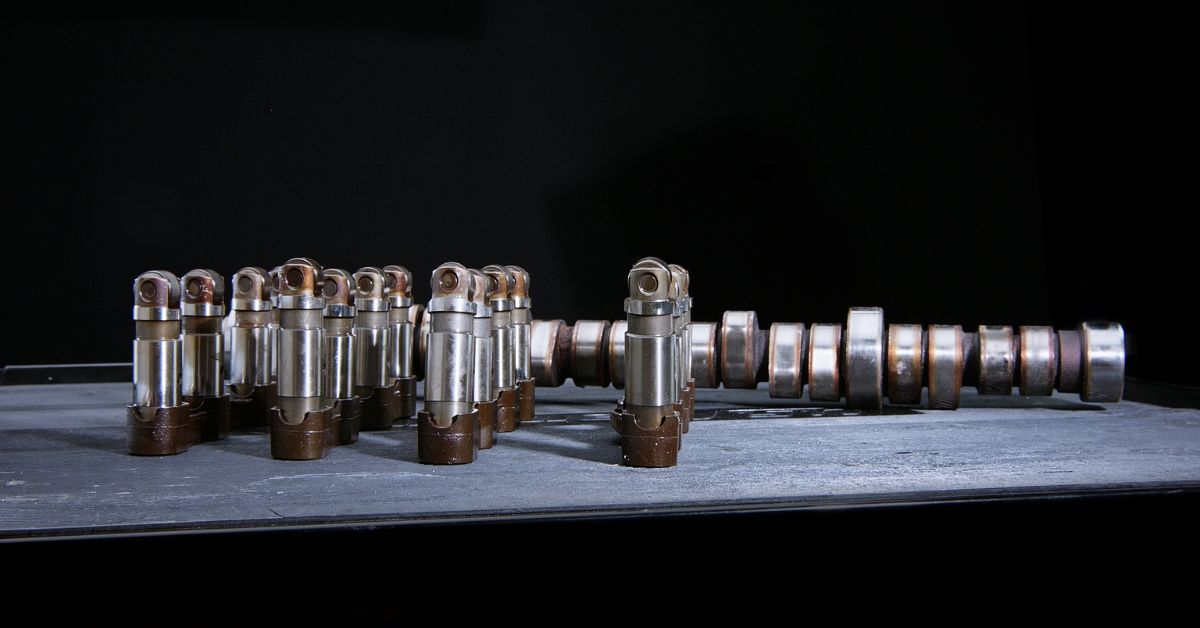
Your vehicle’s engine relies on many moving parts that produce various sounds, including purring and soft noises from the shafts and pistons moving. However, an LS engine tick isn’t one. A ticking and clicking engine could mean expensive repairs because it occurs when the vehicle has damaged reciprocating parts, like pistons, rods or valves.
Causes of LS Engine Ticks
Some possible causes of your engine ticking include:
- Operating noises and normal wear and tear: Sometimes, the ticking noises in your vehicle are by design or from the normal wear and tear of the engine. If you have a fuel-injected car, the noise could be from the injectors firing. Other ticking sounds could be from the exhaust manifold leak when gases escape from a leak in the gasket. You can drive with this tick, but getting it checked as soon as possible is important to keep the exhaust gases in their rightful place.
- Valve misalignment: A noisy valve train is the most common cause of engine ticking. The valves open and close every minute the engine is working, and in an overhead cam engine, they may be misaligned or have damaged parts that make the engine tick.
- Low oil pressure: Engine parts need lubrication. If your engine doesn’t get the lubrication it needs, it will start making strange noises and may develop other issues due to excess wear and tear.
- Broken lifter or cam follower: A lifter failure or a broken cam follower causes rapid movement in the engine, making ticking, clicking or tapping sounds.
DOD Lifter Failure
Lifters are small cylindrical parts inside the engine block. They are between the camshaft and valves and transfer the camshaft’s movement to the valves or pushrods, opening and closing the engine’s intake and exhaust valves. The lifter’s job is to open the valves so air can flow into the engine and exhaust gases can flow out.
Displacement on Demand (DOD) or Active Fuel Management (AFM) is a technology introduced by General Motors to turn off or lock half the cylinders in an engine to improve fuel efficiency and reduce emissions when the vehicle has a light load.
A DOD lifter failure occurs when the lifters cannot turn on or unlock when you need them to. When the lifters are stuck, the camshaft hits the roller at the bottom of the lifters, causing damage. Some vehicles are more prone to DOD lifter failure, like Chevy models and others with V8 and V6 engines.
Factors Contributing to DOD Lifter Failure
Some factors make a vehicle more prone to DOD lifter failures:
- Oil breakdown and deposit formation: Over time, engine oil can degrade from heat, extended drain intervals, and operating conditions, breaking down into sludge and varnish. These deposits restrict oil flow and interfere with the lifters’ internal mechanisms, causing them to stick, collapse, or fail to operate efficiently.
- The wrong type of oil: Using a different kind of oil may cause issues for your lifters as the oil may be too thick or thin to work correctly.
- Inadequate lubrication: Less oil will reduce performance and rapid wear and tear due to constant friction and heat produced as the engine works.
Signs of a DOD Lifter Failure
Signs of a Chevy or GMC DOD lifter failure include:
- The engine misfires and runs rough.
- You have difficulty accelerating the car.
- The check engine warning lights come up.
- You hear knocking noises when you try to accelerate.
- The vehicle vibrates when driving.
- You notice reduced fuel efficiency.
DOD Delete
Sometimes, technicians and owners prefer to turn off the car’s DOD feature for various reasons. This action is known as DOD Delete. A Chevy DOD Delete requires modifying the engine to turn off the DOD/AFM system by replacing parts like the lifters, gaskets, camshafts and valley covers while reprogramming the Engine Control Unit. The most common reasons drivers choose a DOD Delete are:
- Reliability: DOD in earlier models had issues with lifters, excess oil consumption and unusual wear and tear of the engine components.
- Performance: Some drivers prefer consistency in the vehicle’s performance.
- Simplicity: Turning off the DOD simplifies the engine and reduces future maintenance needs.
- Life of the engine: Eliminating the potential for lifter issues caused by the DOD/AFM can extend the life of your engine components associated with the failure.
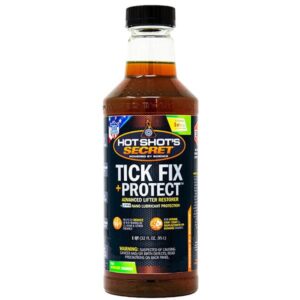
Tick Fix + Protect — Built for LS Engines
At Hot Shot’s Secret, we don’t chase theories—we test. Our Tick Fix + Protect approach was developed after testing across hundreds of engines, targeting one of the most common early warning signs in LS platforms: valvetrain tick.
In most cases, Tick Fix + Protect has been proven to quiet or completely resolve ticking sounds caused by oil‑related issues like stiction, lubrication breakdown, and inconsistent oil pressure—before owners jump to expensive mechanical repairs. This isn’t a band‑aid for broken parts and will never be a full replacement for parts that are worn.
It’s a smart first step to:
- Restore proper lubrication
- Restore oil flow in lifters and valvetrain components
- Help protect against accelerated wear that can shorten engine life
If you own an LS‑powered truck or car and you’re hearing a tick: Don’t ignore it. Don’t tear it apart yet. Fix the tick and protect the engine with Tick + Protect.
Please feel free to contact us online with any questions or to ask for information.